Black steel nails are often misunderstood by hardware buyers who need stable quality and competitive pricing. The problem is simple: many distributors buy them as “strong general nails,” then face rust complaints, bending issues, or slow-moving stock. The solution is to understand what they are, where they fit, and how to source them correctly.
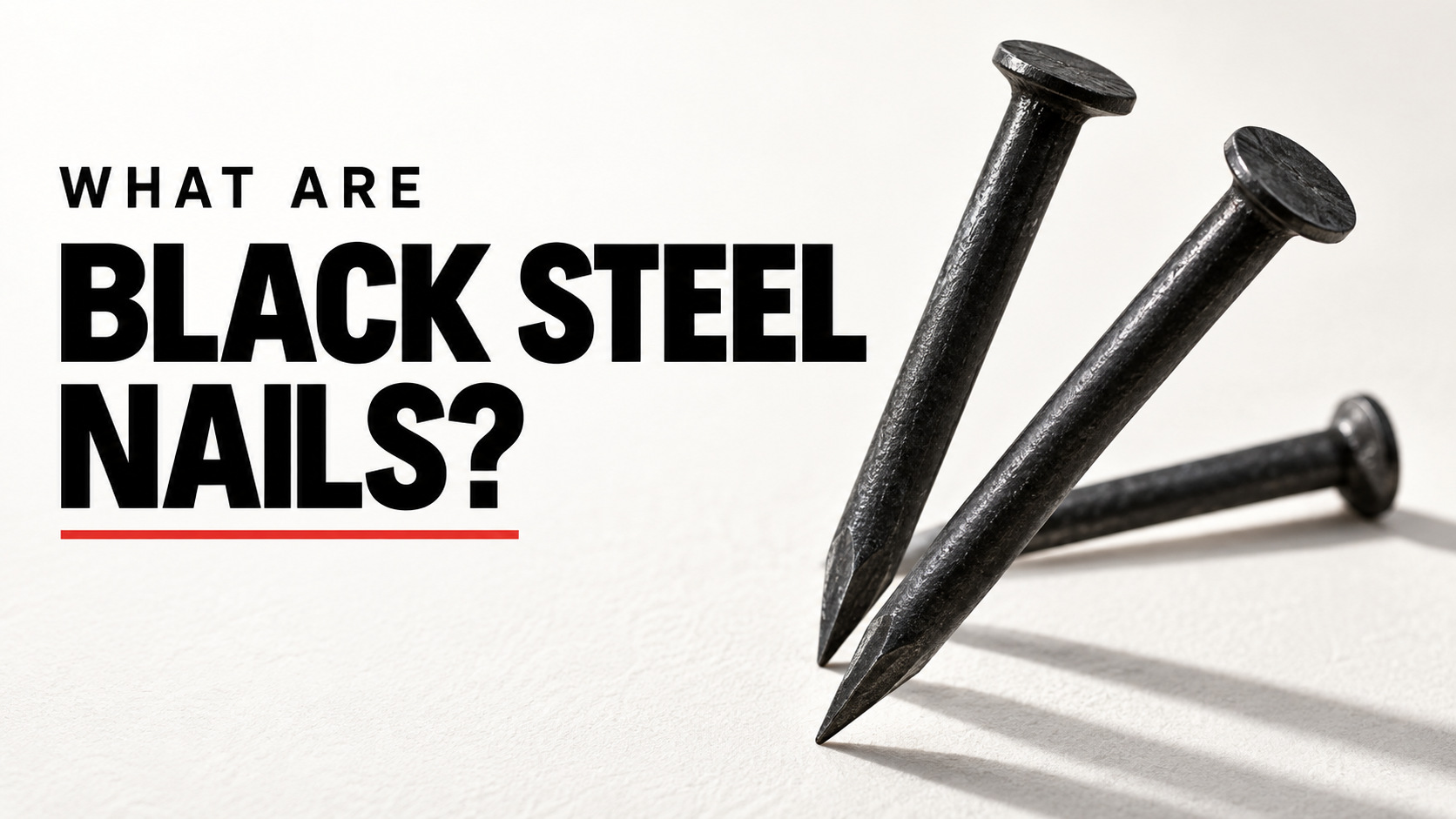
Black steel nails are steel nails with a black surface finish, usually created through blackening, heat treatment, or coating rather than a different steel alloy. They are valued for hardness, holding strength, and cost competitiveness, but they are not the same as galvanized nails and should not be selected when strong corrosion resistance is required.
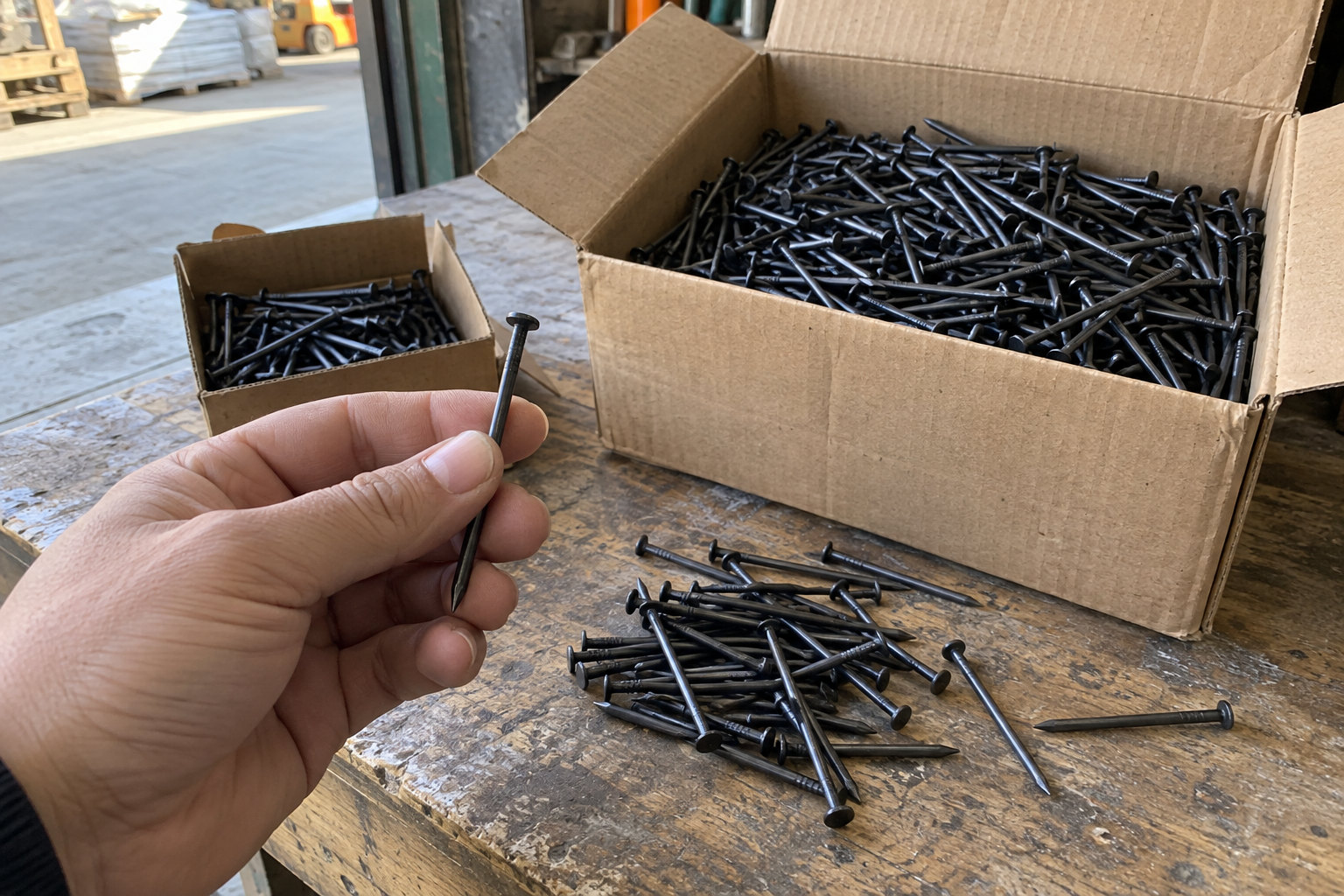
For wholesale distributors, the real question is not only “What are they?” It is also “Can I sell them profitably in my market without quality complaints?” I have seen many buyers make better decisions once they connect product features with customer use cases, packaging expectations, and local climate conditions.
What Are Black Steel Nails Used For?
Black steel nails can look simple, but wrong application advice can create expensive after-sales problems. A distributor may win the order with a low price, then lose repeat business if the product is used outdoors or in damp environments. The right use case protects both your margin and your reputation.
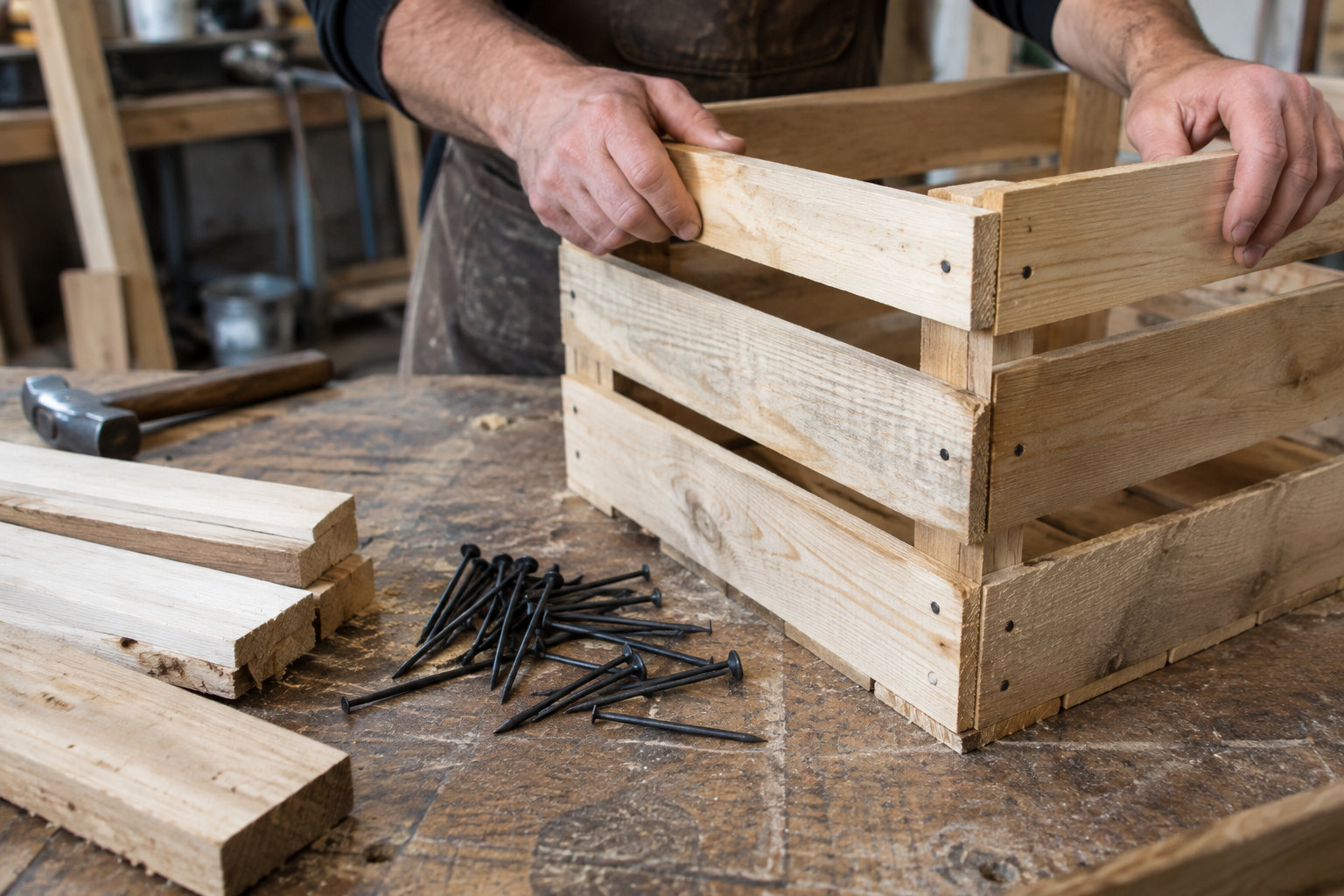
Black steel nails are mainly used in general fastening, temporary construction, carpentry, woodwork, packaging, and some masonry-related applications depending on nail type and hardness. They are suitable where strength and price matter more than long-term rust resistance. They are less suitable for exposed outdoor use, marine areas, or high-humidity storage.
The practical meaning of “black steel”
In many buyer conversations, I notice one common misunderstanding: some customers assume “black steel” means a special alloy. In most commercial nail purchasing, it does not. The word usually refers to the surface appearance or treatment, not a premium base material.
That matters because the selling point is different from galvanized nails. Galvanized nails are mainly chosen for corrosion protection. Black steel nails are usually chosen for a balance of hardness, holding performance, availability, and price.
For wholesalers, this difference affects how you position the product:
| Buyer Question | Practical Answer | Commercial Impact |
|---|---|---|
| Are they rustproof? | No, they offer limited rust resistance. | Avoid selling them for outdoor exposed jobs. |
| Are they strong? | They can be hard and reliable when properly manufactured. | Good for price-sensitive fastening markets. |
| Are they cheaper than galvanized nails? | Often yes, depending on size and market. | Useful for competitive wholesale channels. |
| Are they suitable for humid markets? | Only with realistic expectations and good storage. | Prevent customer complaints and returns. |
Common applications in distributor markets
In markets across the Middle East, Africa, Southeast Asia, and South America, buyers often use these nails in several practical channels:
- General wood fastening
- Temporary structures
- Crating and packaging
- Furniture repair and light carpentry
- Construction support work
- Low-cost retail hardware packs
- Concrete-related fastening when the product is specifically a black concrete nail
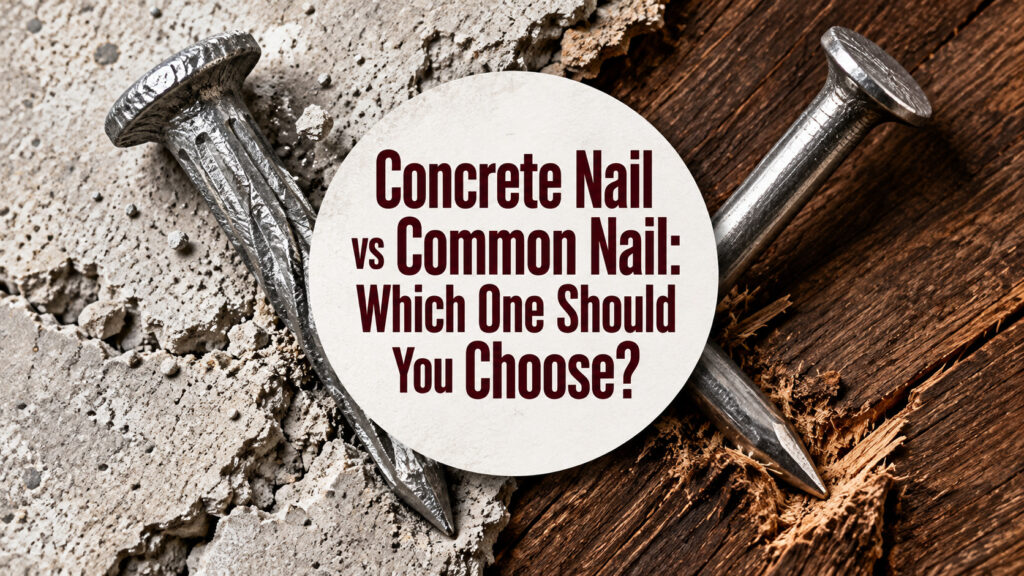
The last point is important. A black steel nail and a black concrete nail may be discussed together in some markets, but the performance expectation is not identical for every model. Concrete nails usually require higher hardness and better resistance to bending during driving. If your customers drive nails into hard masonry, you should confirm the nail type, wire material, heat treatment, shank design, and head quality.
How I advise distributors to match product and market
When a wholesaler asks me whether black steel nails are a good choice, I usually start with three questions:
-
Where will your downstream customers use them?
Indoor dry use is usually safer than exposed outdoor use. -
What complaint do you fear most?
Rust, bending, broken heads, weak cartons, and inconsistent count per box are different problems. -
What price level does your market accept?
A nail that is technically better may not sell if it misses the local price point.
This is why I do not recommend choosing only by kilogram price. A low FOB price can look attractive, but if the nail bends easily, rusts before sale, or has poor packaging, the real cost becomes higher. Good wholesale buying is not about the cheapest nail. It is about the lowest complaint rate at the right landed cost.
How Are Black Steel Nails Different From Common Nails and Galvanized Nails?
Black steel nails, common bright nails, and galvanized nails may look similar in a catalog, but they perform differently in the market. The risk is that buyers compare only diameter, length, and carton price. That comparison is too narrow. Surface treatment and application fit can change customer satisfaction quickly.
Black steel nails differ mainly by surface finish and market positioning. Compared with common bright nails, they may offer a darker treated appearance and sometimes higher hardness depending on production. Compared with galvanized nails, they usually provide less corrosion resistance but better price competitiveness for dry, indoor, or temporary fastening applications.
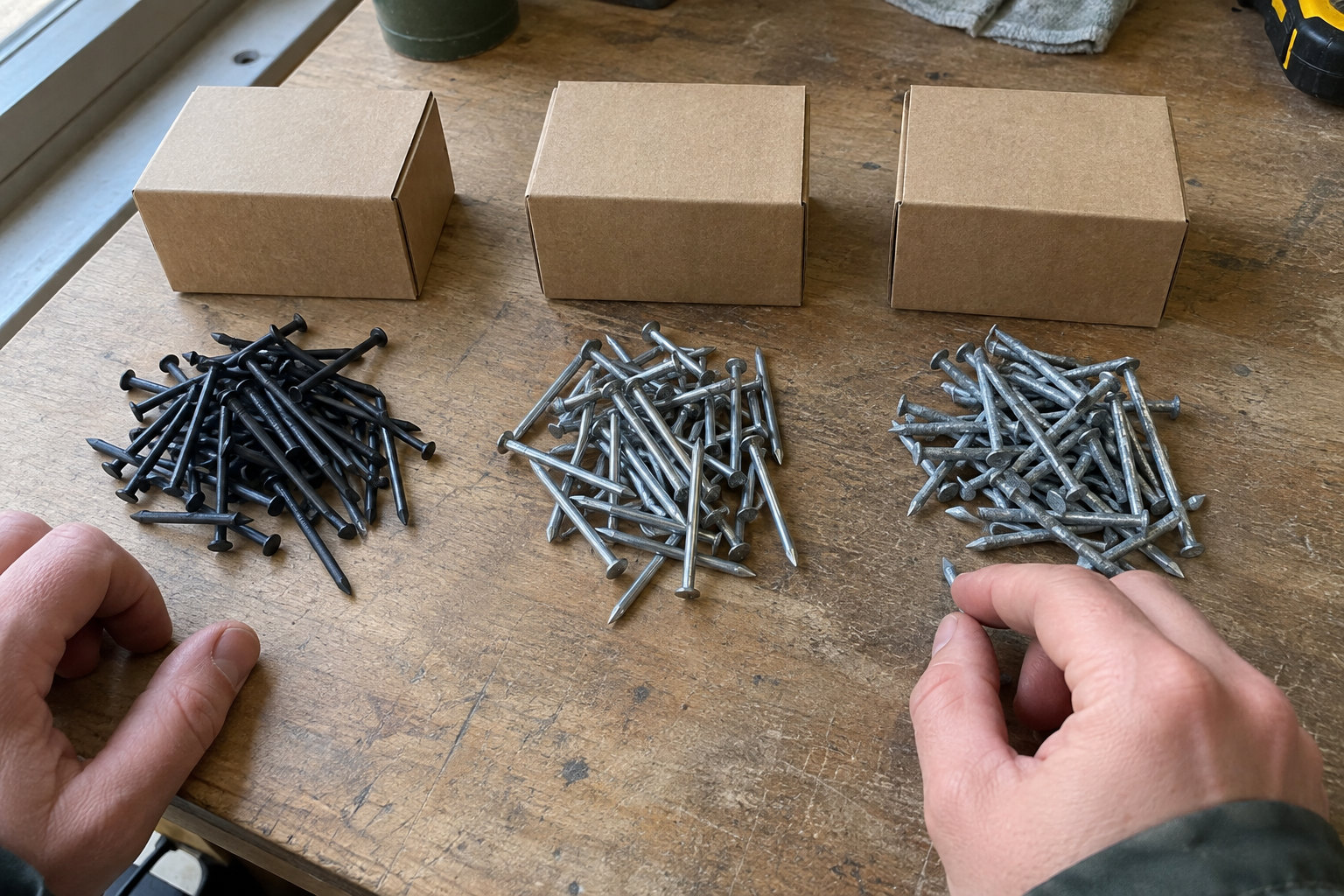
Comparison table for wholesale selection
The table below is not a laboratory specification. It is a buying guide based on how distributors usually evaluate nail categories.
| Nail Type | Main Advantage | Main Limitation | Best Commercial Use |
|---|---|---|---|
| Black steel nails | Cost-effective strength and darker finish | Limited rust protection | Indoor fastening, construction support, packaging |
| Bright common nails | Simple, widely available, low-cost | Also limited rust resistance | General woodwork and low-cost retail |
| Galvanized nails | Better corrosion resistance | Higher cost | Outdoor, humid, roofing, exposed applications |
| Concrete nails | High hardness for masonry use | Must match application hardness | Concrete, brick, harder substrates |
Surface treatment is not the same as material grade
A key procurement mistake is assuming that all black nails are the same. They are not. The black surface can come from different processes, and the base wire quality still matters. A nice dark appearance does not automatically mean the nail has better toughness, better straightness, or better head strength.
When I review inquiries, I prefer to clarify the following before quoting:
- Product type: black steel nail, black concrete nail, or another nail category
- Size: length and wire diameter
- Head type: flat head, lost head, or other style
- Shank: smooth, fluted, ring, or special design if needed
- Packing: bulk carton, small box, branded box, or customer design
- Quantity: tons, cartons, container load, or trial order
- Target use: wood, concrete, packaging, construction, retail resale
This information helps avoid a common mismatch. For example, a buyer may ask for black steel nails but actually need concrete nails for masonry. If the supplier ships a softer product, the customer may complain about bending. If the buyer wanted low-cost indoor fastening, however, a standard black steel option may be more commercially sensible.
Rust resistance: the most common misconception
Many distributors ask whether black steel nails can replace galvanized nails. My careful answer is: only when corrosion resistance is not the main buying reason.
Black surface treatment can provide some short-term protection during handling or storage, but buyers should not treat it like zinc galvanization. In humid warehouses, coastal regions, rainy seasons, or outdoor exposure, black nails can rust. This does not always mean poor manufacturing. It can be a natural result of selecting a product with limited corrosion protection for a demanding environment.
A practical way to explain this to downstream customers is:
“Use black steel nails where strength and price matter. Use galvanized nails where rust resistance matters.”
That sentence saves many arguments.
Commercial impact of choosing the wrong nail
Wrong product selection can damage a distributor in four ways:
-
Returns and complaints increase
Rust stains, bending, and carton damage create customer frustration. -
Inventory becomes hard to move
A nail that does not match local demand may sit in stock too long. -
Margins shrink
Discounts, replacements, and lost customers reduce real profit. -
Supplier trust weakens
If specifications are unclear, both buyer and factory may blame each other.
A clear purchasing specification prevents these issues. At Dingzhou Best, when I communicate with buyers, I usually recommend confirming product, specification, quantity, and packing method before discussing FOB price. This is because our pricing normally depends on product + specification + quantity + packaging. That method is more accurate than giving one rough price that later changes.
What Quality Factors Should Buyers Check Before Ordering Black Steel Nails?
Black steel nails can create steady wholesale sales, but quality inconsistency can turn a profitable item into a complaint generator. Buyers often focus on price first because competition is intense. However, a small saving per carton may not matter if the nails bend, rust in storage, or arrive in weak packaging.
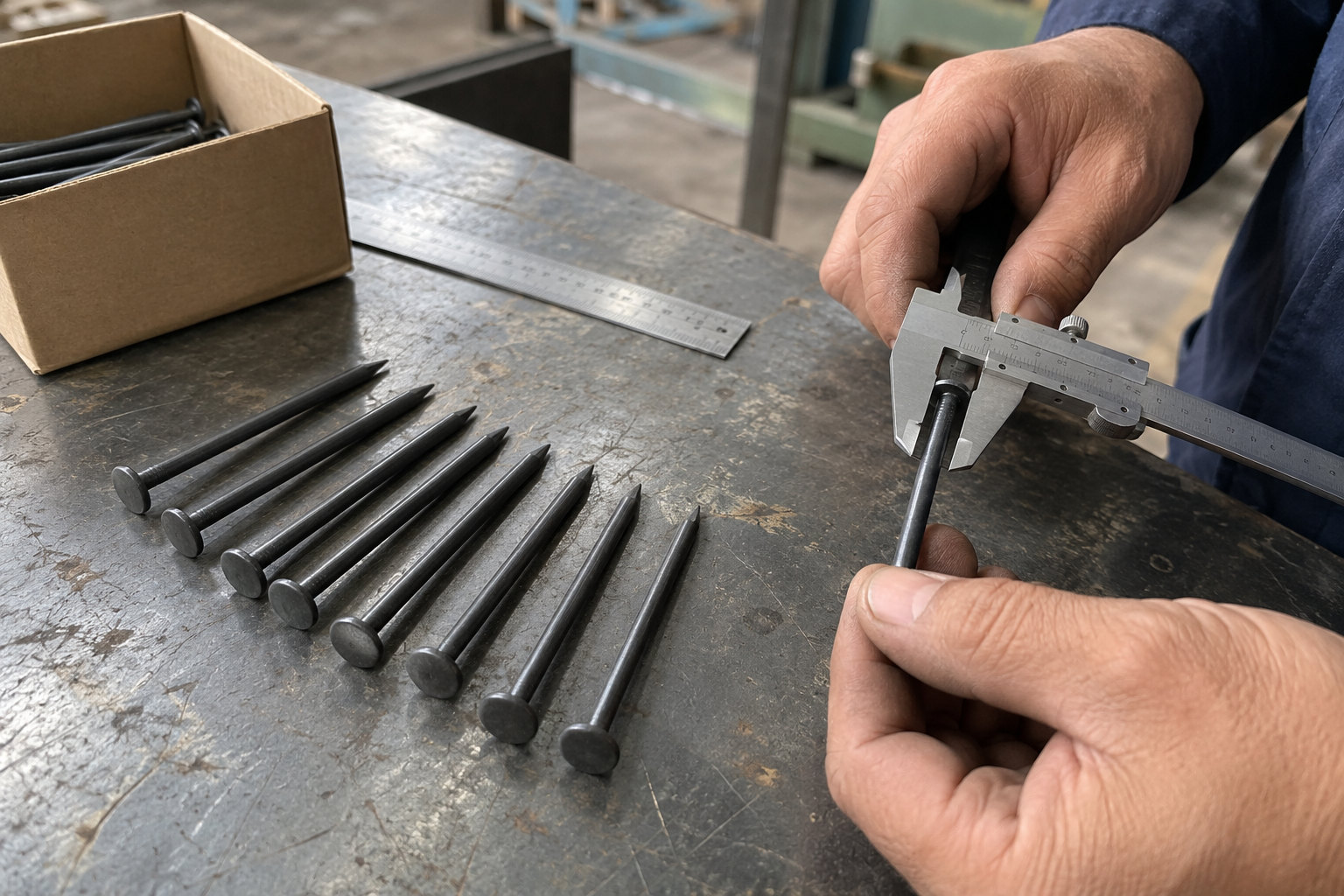
Buyers should check nail hardness, straightness, head formation, point sharpness, size tolerance, surface condition, carton strength, net weight, and packing accuracy before ordering. For wholesale procurement, samples are useful for basic quality screening, but application-specific performance should be evaluated by qualified professionals or tested under real customer conditions.
Key quality points and their commercial meaning
A nail is a small product, but it has many failure points. I always encourage buyers to connect each technical detail with a business consequence.
| Quality Factor | What to Check | Why It Matters Commercially |
|---|---|---|
| Straightness | Nails should not be visibly bent | Bent nails slow work and cause complaints |
| Head quality | Heads should be centered and firm | Weak heads may break during hammering |
| Point sharpness | Points should penetrate cleanly | Dull points increase bending risk |
| Surface condition | Black finish should be reasonably uniform | Poor appearance hurts resale confidence |
| Hardness | Should match intended use | Too soft bends; too brittle may break |
| Size consistency | Length and diameter should match order | Inconsistent sizes hurt buyer trust |
| Packing strength | Cartons and boxes should survive shipping | Weak packing causes losses and messy stock |
| Weight/count accuracy | Confirm carton weight or piece count | Prevent disputes with retailers |
The bending problem
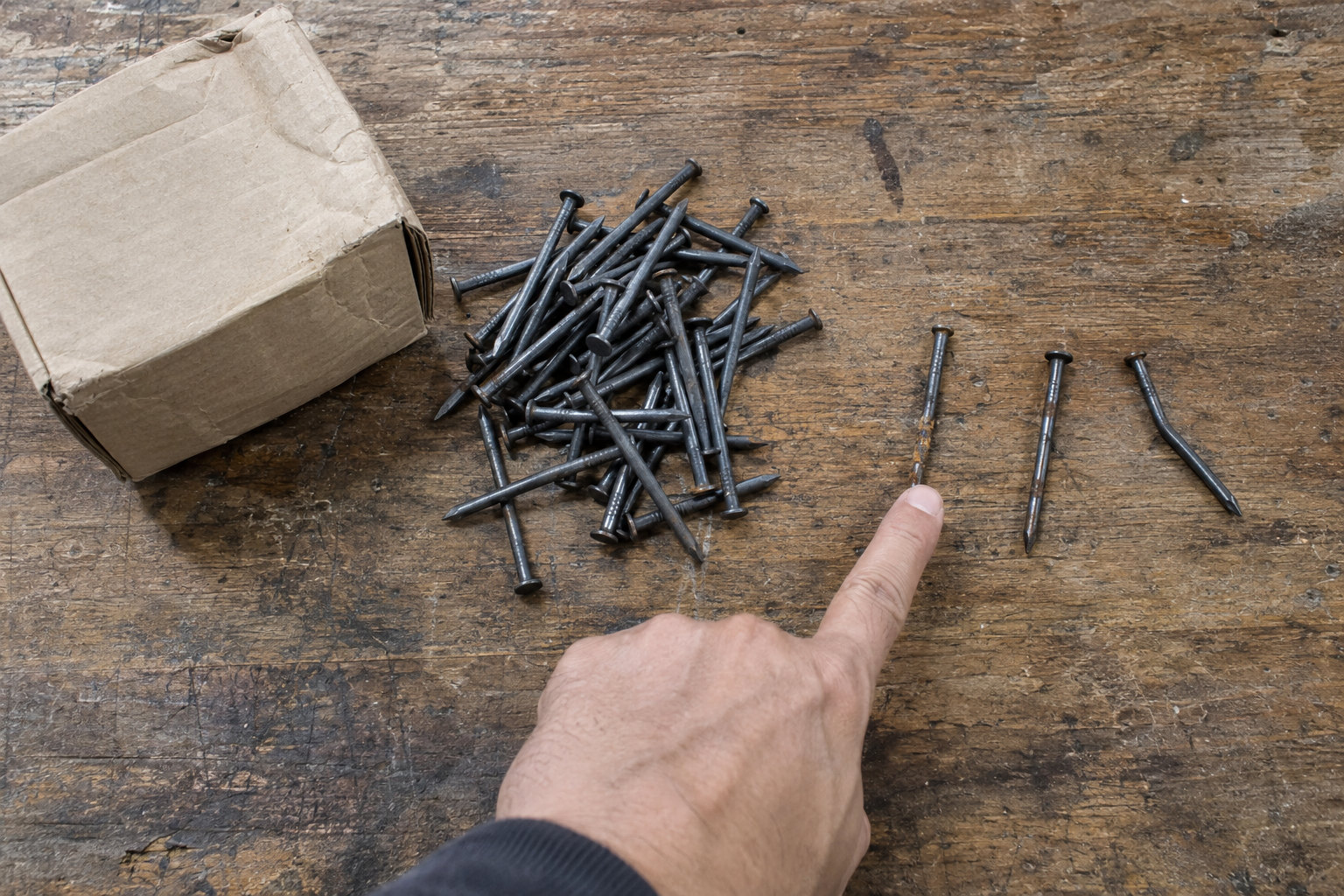
One of the most common complaints in nail procurement is bending. But bending has more than one cause. It may come from soft material, wrong nail diameter, wrong application, or a customer trying to drive the nail into a substrate that is too hard.
For example, if a customer uses a general black nail in dense concrete, bending should not surprise anyone. The issue is not only quality. It is product mismatch. In that case, the buyer should consider a proper concrete nail and should confirm hardness expectations before ordering.
The rust problem
Rust complaints also need careful interpretation. If nails rust heavily before delivery or immediately after arrival, buyers should review production, packing, moisture control, and shipping conditions. But if nails are stored for months in a humid warehouse or used outdoors, rust may happen because the product was not designed for strong corrosion resistance.
To reduce risk, buyers can take practical steps:
- Keep cartons away from wet floors.
- Avoid long storage in humid warehouses.
- Use stronger packaging when shipping long distances.
- Consider galvanized nails for outdoor channels.
- Inspect samples before confirming bulk orders.
- Ask for clear photos or video during production when appropriate.
Sample testing before bulk order
Our company can provide samples for quality checking. Samples usually carry a basic fee, and the fee can be discussed for return or adjustment in the formal order. This sample step is especially useful for first-time buyers, trial orders, and OEM/ODM packaging decisions.
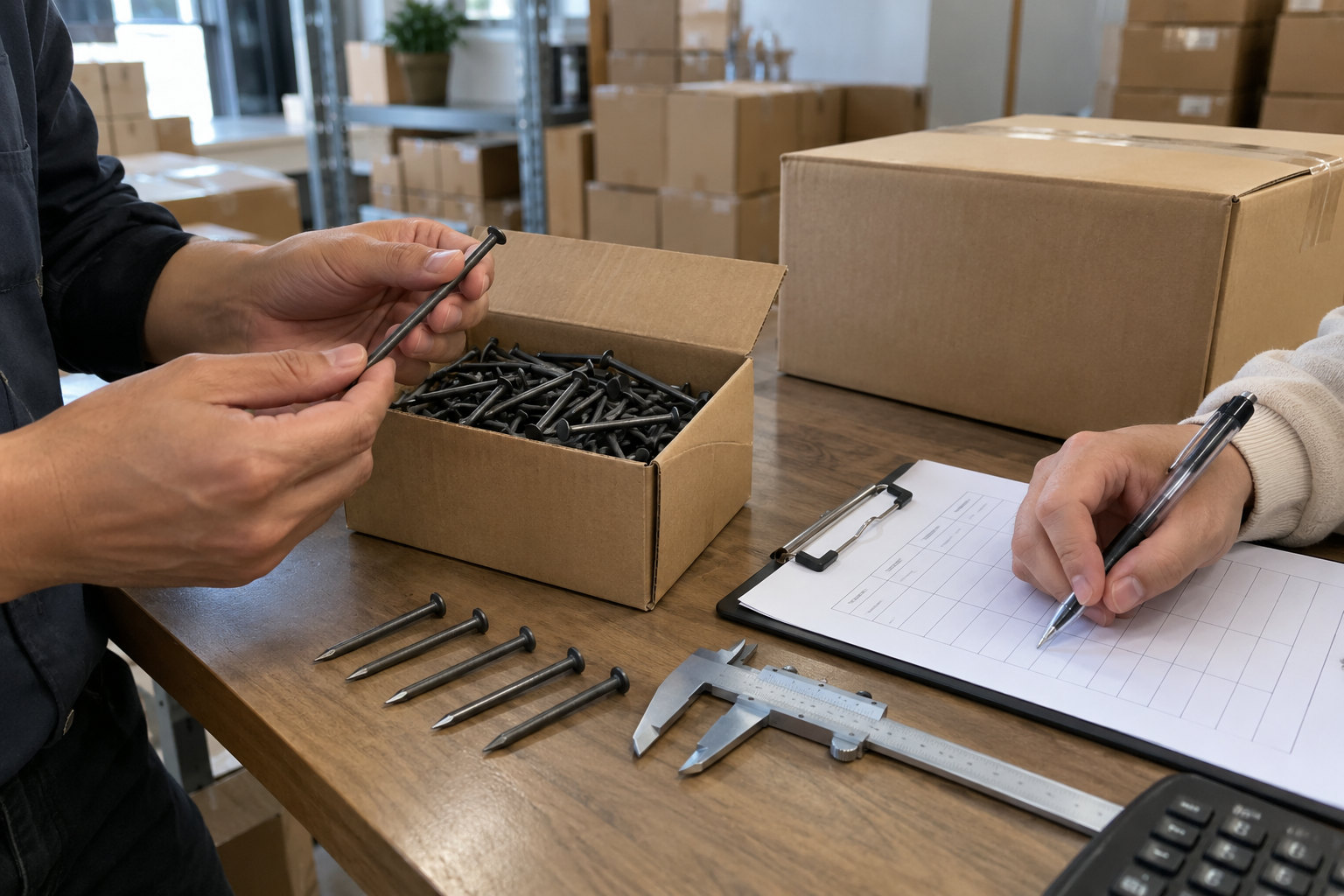
A basic sample review can include:
-
Visual inspection
Check finish, head shape, point, and straightness. -
Dimensional check
Measure length and diameter with a caliper. -
Practical driving test
Test on the buyer’s common material, such as wood or relevant construction substrate. -
Packing review
Confirm box design, carton thickness, label, and brand logo if customized. -
Short storage observation
Keep samples in local warehouse conditions to observe surface change.
Why packaging deserves serious attention
Many buyers treat packing as a final detail. I see it differently. For wholesale distribution, packaging is part of product quality. A strong nail with weak packaging can still create losses.
Good packaging helps with:
- Transport safety
- Warehouse stacking
- Retail display
- Brand recognition
- Count or weight control
- Customer confidence
For OEM/ODM orders, custom packaging can improve market positioning. However, buyers should balance package cost with local price sensitivity. In some markets, a simple strong carton sells better than an expensive printed box. In other markets, branded small boxes help retailers sell faster. The right choice depends on your channel.
How Should Wholesale Buyers Source Black Steel Nails Profitably?
Black steel nails can support healthy margins when sourcing is disciplined. The problem is that many buyers compare only the lowest FOB number. That can lead to unstable quality, wrong specifications, or packaging that fails during sea freight. A profitable order needs both competitive cost and controlled risk.
Wholesale buyers should source black steel nails by confirming target application, specification, packing, order quantity, sample approval, supplier production capability, lead time, and shipping method. The best procurement decision balances FOB price with complaint risk, market suitability, carton durability, and repeat-order stability.
Start with the market, not the catalog
A catalog gives sizes. Your market gives the answer. I have learned from distributor feedback that the same nail can perform well in one region and sell poorly in another. Local habits, climate, purchasing power, and retail packaging preferences all matter.
Before placing an order, I suggest buyers answer these questions:
- Do customers use the nails mainly for wood, concrete, packaging, or general repair?
- Do they buy by weight, box, carton, or piece count?
- Is the local market highly price-sensitive?
- Do retailers prefer plain cartons or branded small boxes?
- Is the region humid, coastal, or dry?
- Does the customer compare with galvanized nails?
- What nail sizes are already moving fast in your market?
These questions help you avoid buying a product that looks good in theory but does not match your sales channel.
Understand how FOB pricing works
For our factory, FOB quotation usually depends on:
Product + specification + quantity + packing method
This means a buyer should not expect one fixed price for every black nail inquiry. A small box with color printing, a heavy-duty carton, or a private logo can change the cost. Wire diameter and length also change raw material consumption. Quantity affects production planning and cost control.
Our usual minimum order quantity is 5 tons or 200 boxes, and we support trial orders. Lead time is generally 15–25 days, depending on order quantity and production schedule. Shipping is mainly by sea, and buyers can choose FCL or LCL depending on order volume.
Supplier evaluation checklist
A good supplier conversation should be specific. Buyers do not need to sound like engineers, but they should ask commercially useful questions.
Use this checklist before confirming an order:
-
Can the supplier produce the exact nail type you need?
Black steel nail, concrete nail, roofing nail, lost head nail, or other category should be clearly named. -
Can the supplier support your packaging method?
OEM/ODM packaging, brand logo, carton marks, and box layout should be confirmed before production. -
Can samples be provided?
Samples help verify quality, appearance, and suitability. -
Can the supplier explain realistic limitations?
A supplier who says black nails are “fully rustproof” should be questioned. -
Can production and shipping timing match your sales plan?
Delays can cause stockouts, especially before peak construction seasons. -
Can the supplier support repeat stability?
Consistent quality matters more than one good shipment. -
Are documents available for buyer review?
Any claimed inspection reports, quality documents, or certifications should be treated as documents to verify, not as assumptions.
Cost-effectiveness versus cheap price
Many buyers ask me for the “best price.” I understand the pressure. Hardware distribution is competitive. However, I prefer to discuss best cost-effectiveness.
A cheaper nail may become expensive if:
- It bends too easily.
- It rusts before sale.
- The carton breaks during transport.
- The weight is inconsistent.
- Retailers complain about mixed sizes.
- Customers stop reordering.
A slightly higher price may be better if it reduces claims and supports repeat sales. This is especially true for distributors who sell to contractors or active retailers. Those customers remember failure more than they remember a small discount.
Trial orders are useful when entering a new market
If you are testing a new size, new package, or new brand, a trial order can reduce risk. It allows you to check real demand before committing to a full container. At Dingzhou Best, we support trial cooperation because it helps both sides verify market fit.
A practical trial order can test:
- Two or three fast-moving sizes
- One bulk carton and one small-box package
- Local retailer feedback
- Rust behavior in warehouse conditions
- Customer response to brand design
- Reorder speed after first distribution
After that, the buyer can scale with better confidence.
What Procurement Mistakes Should Buyers Avoid With Black Steel Nails?
Black steel nails may seem like a low-risk commodity, but procurement mistakes can quietly reduce profit. The danger is that small problems appear only after the goods arrive. By then, the buyer has paid freight, cleared customs, and distributed stock to customers.
Buyers should avoid unclear specifications, unrealistic rust expectations, choosing only the lowest price, skipping sample checks, ignoring packaging strength, and buying the wrong nail for the end application. Clear communication and pre-shipment quality awareness are essential for stable black steel nails sourcing.
Mistake 1: Buying by name only
The phrase “black nail” can mean different things to different suppliers and buyers. Some may refer to a black common nail. Some may mean a black concrete nail. Others may describe a nail with a dark surface finish but different hardness.
To avoid confusion, buyers should always specify:
- Nail type
- Length
- Wire diameter
- Head type
- Shank type
- Surface expectation
- Packing method
- Quantity
- Target use
A clear inquiry saves time and reduces the chance of wrong production.
Mistake 2: Expecting galvanized performance at black nail prices
This is probably the most serious market positioning mistake. Black steel nails can be practical and profitable, but they should not be sold as a substitute for galvanized nails in corrosion-sensitive applications.
If your downstream customers work in humid or outdoor environments, you should be careful. A low price may help close the first order, but rust complaints can damage the next ten orders. For exposed outdoor use, roofing, coastal construction, or long service life expectations, galvanized nails or other treated fasteners may be more suitable.
Mistake 3: Ignoring local climate and storage
Climate is a commercial factor. A buyer in a dry inland market may sell black nails with fewer rust complaints. A buyer in a humid coastal market may need better packing, faster inventory turnover, or a different nail category.
Warehouse conditions also matter. Nails are heavy metal products, and they are often shipped by sea. Moisture can affect them if packing, storage, or handling is poor.
I recommend these simple controls:
- Store cartons on pallets.
- Keep stock away from walls and floors.
- Avoid damaged outer cartons.
- Move older stock first.
- Inspect goods after arrival.
- Keep photos of packaging condition for claim records.
Mistake 4: Treating packaging as decoration
For wholesale distribution, packaging is not only branding. It is protection. Cartons must survive loading, sea freight, unloading, warehousing, and local transport. A weak carton can split, lose nails, damage labels, and make the product look cheap.
Buyers should confirm:
| Packing Detail | Why It Matters |
|---|---|
| Carton thickness | Prevents breakage during transport |
| Inner box strength | Supports retail handling |
| Label accuracy | Reduces warehouse confusion |
| Gross/net weight | Avoids disputes |
| Pallet requirement | Helps unloading and storage |
| Logo design | Supports brand recognition |
If you sell through retailers, the package may influence repeat orders as much as the nail itself.
Mistake 5: Not checking supplier communication quality
Supplier selection is not only about machinery. It is also about communication. A good supplier should ask questions when the inquiry is unclear. If a supplier quotes immediately without confirming specifications, the buyer may receive a price that is not truly comparable.
In my own sales work, I prefer when buyers provide complete details because it allows a more accurate quotation. If details are missing, I ask follow-up questions. This may feel slower at first, but it prevents later disputes.
Mistake 6: No plan for quality feedback
Wholesale buyers should create a feedback loop after every first order. Ask retailers or customers:
- Did the nails bend during use?
- Did the finish look acceptable?
- Did the cartons arrive strong enough?
- Did customers complain about rust?
- Were the sizes suitable?
- Which package sold faster?
This feedback helps improve the second order. Over time, a distributor can build a more profitable nail product line by adjusting sizes, packaging, and positioning.
Frequently Asked Questions
Are black steel nails rustproof?
No, black steel nails are not rustproof. Their black surface may offer limited protection during handling or storage, but it should not be confused with galvanization. For outdoor, coastal, or high-humidity applications, buyers should consider galvanized nails or another corrosion-resistant fastening option.
Are black steel nails stronger than galvanized nails?
Not automatically. Strength depends on wire material, heat treatment, diameter, and manufacturing quality. Black steel nails may be hard and cost-effective for certain uses, but galvanized nails are selected mainly for corrosion resistance. Buyers should compare performance based on the actual application, not only surface color.
Can I use black steel nails for concrete?
Only if the product is specifically suitable for concrete use, such as a black concrete nail. Standard black steel nails may bend when driven into hard masonry. Buyers should confirm hardness, shank type, nail size, and intended substrate before ordering for concrete applications.
What information should I provide to get an accurate FOB quote?
You should provide the product type, length, wire diameter, quantity, packing method, and target application. FOB pricing usually depends on product, specification, order volume, and packaging. Custom brand logo, OEM/ODM boxes, and special carton requirements can also affect the final price.
Can wholesale buyers request samples before ordering?
Yes. Samples can be provided for quality checking, and they usually carry a basic sample fee. The fee may be discussed for return or adjustment in a formal order. Sample testing is useful for checking appearance, size, packaging, and basic application suitability before bulk purchase.
Conclusion
Black steel nails are practical, competitive fasteners when buyers understand their real strengths and limits. They are not a universal replacement for galvanized nails, and they should be matched carefully with market use, climate, packaging, and quality expectations. If you are evaluating black steel nails for wholesale distribution, I recommend starting with clear specifications and sample testing. For FOB quotations, OEM/ODM packing, or trial order discussion, contact Dingzhou Best at [email protected] or WhatsApp +8618331061136.