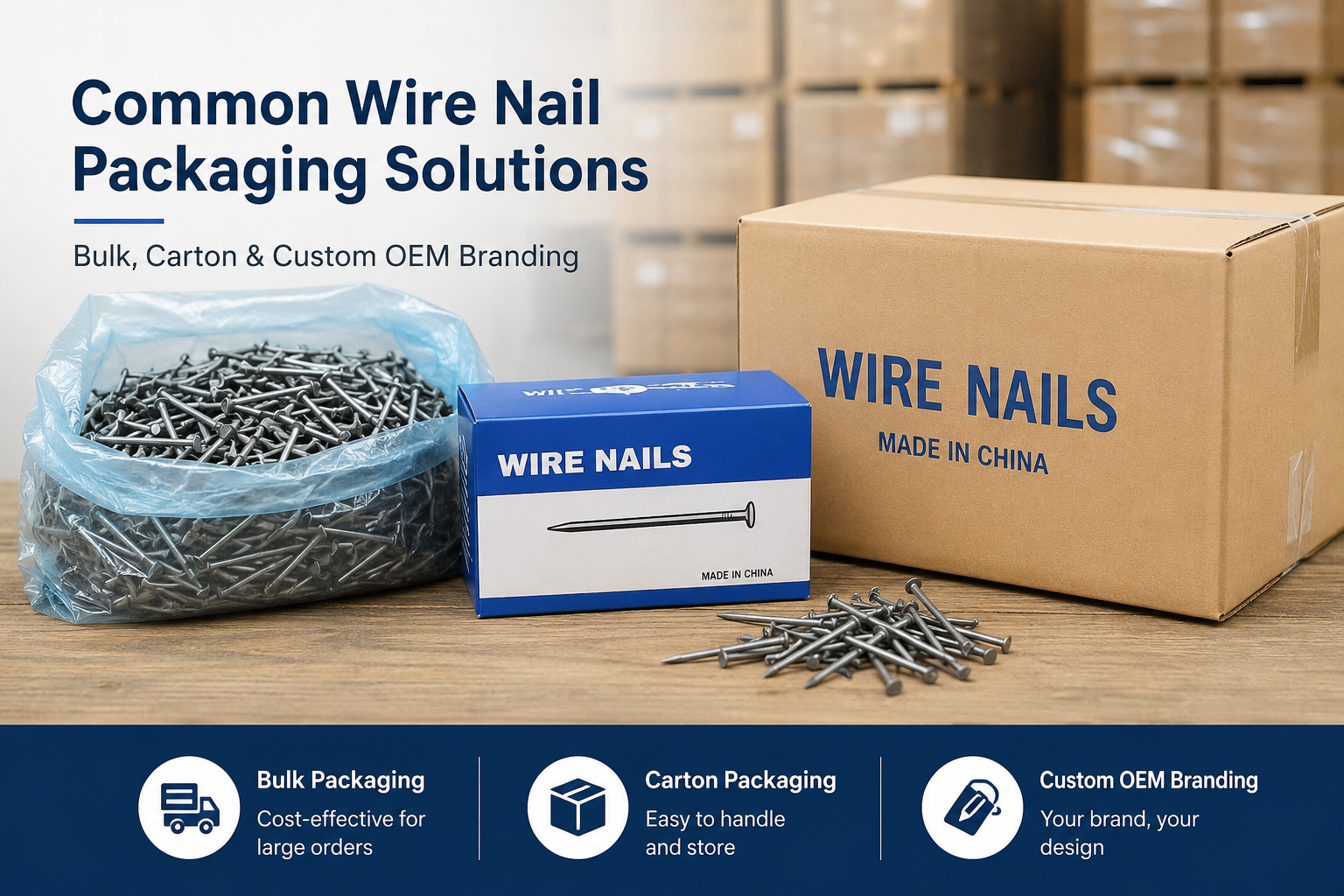
Choosing the right packaging for wire nails affects your sales success and customer satisfaction. The wrong packaging creates problems for both storage and branding.
Wire nails come in three main packaging types: bulk packaging for large orders, standard carton boxes for retail, and custom OEM branded packaging for private label businesses. Each option serves different market needs and price points.
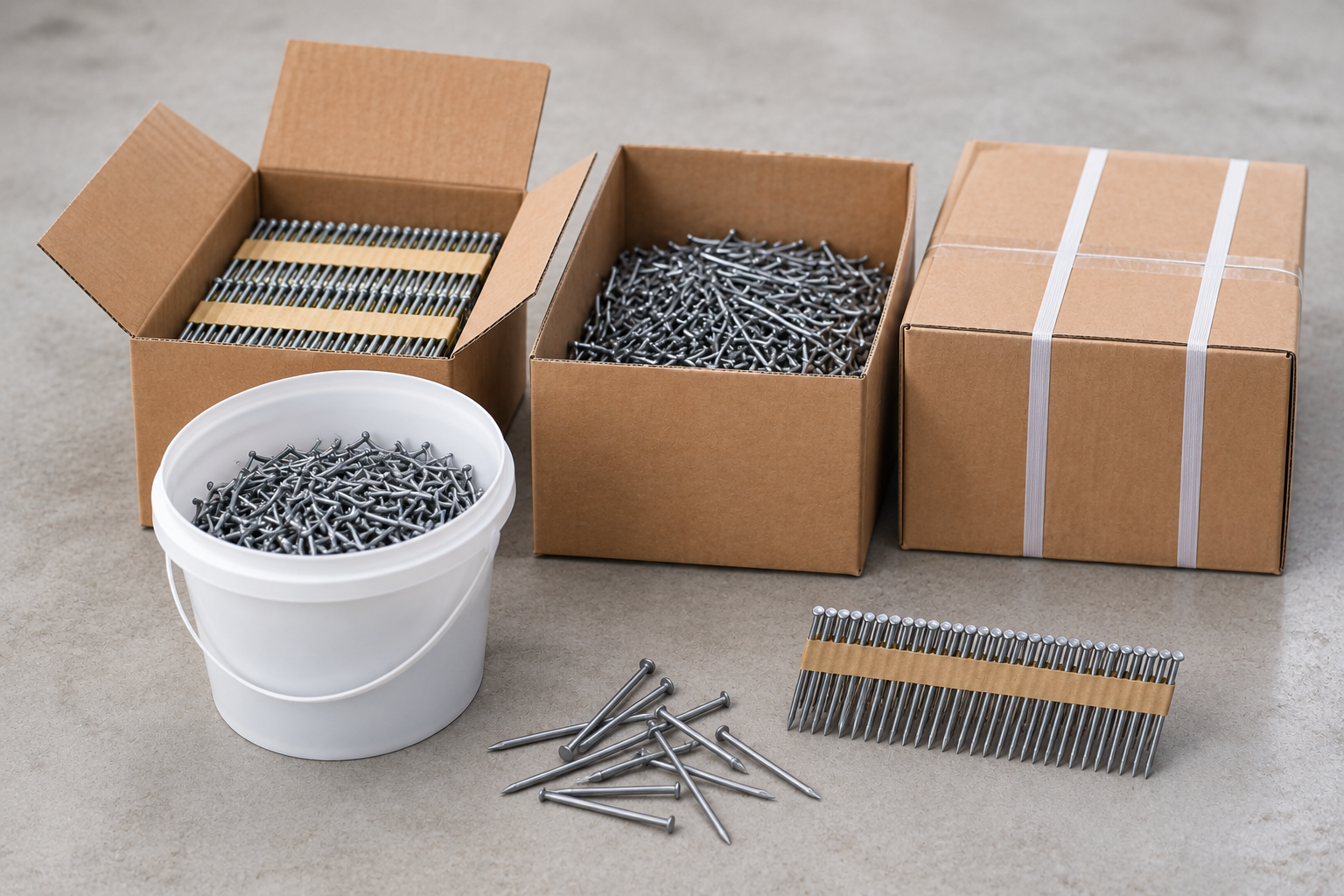
I have worked with hundreds of customers over the years at our manufacturing facility. Each customer has different packaging needs based on their target market and business model.
What are the different types of nail boxes?
Most customers ask me about box options when they place their first order. The variety of choices can feel overwhelming at first.
Nail boxes include standard kraft cartons, color printed boxes, plastic containers, metal tins, and custom branded packaging. Standard cartons work for basic needs while branded boxes help build your business identity.
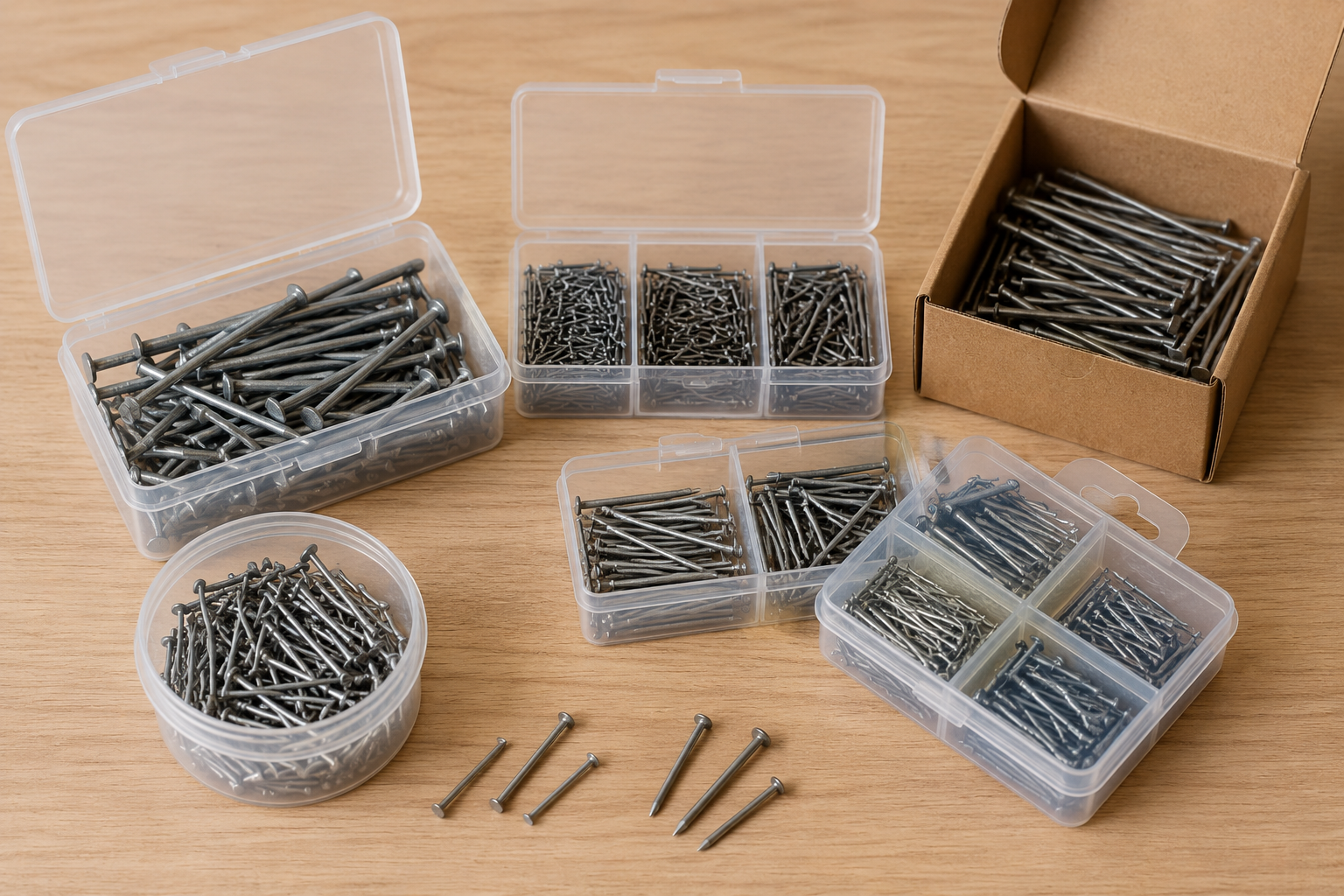
The most common nail box types fall into several categories. Standard kraft cartons provide basic protection and cost the least. These brown boxes work well for construction sites where appearance matters less than function.
Color printed boxes offer better visual appeal for retail environments. We can print product information, safety warnings, and basic branding on these boxes. The printing adds minimal cost but improves the professional appearance significantly.
Plastic containers work best for environments with moisture concerns. These containers protect nails from rust and allow customers to see the product inside. Hardware stores often prefer clear containers because customers can inspect the nails before buying.
Metal tins provide premium protection and create a high-end appearance. These containers cost more but last longer and can be reused by customers. Some contractors prefer metal containers because they stack well in tool storage areas.
| Box Type | Cost Level | Best Use Case | Durability |
|---|---|---|---|
| Kraft Carton | Low | Construction bulk orders | Basic |
| Color Printed | Medium | Retail display | Good |
| Plastic Container | Medium | Moisture protection | Excellent |
| Metal Tin | High | Premium branding | Superior |
How to package press on nails?
Press on nails need different packaging than construction wire nails. The packaging must protect the nail finish and create an attractive display.
Press on nails require protective packaging that prevents scratching and maintains product appearance. Clear plastic containers or custom molded trays work best for retail display and product protection.
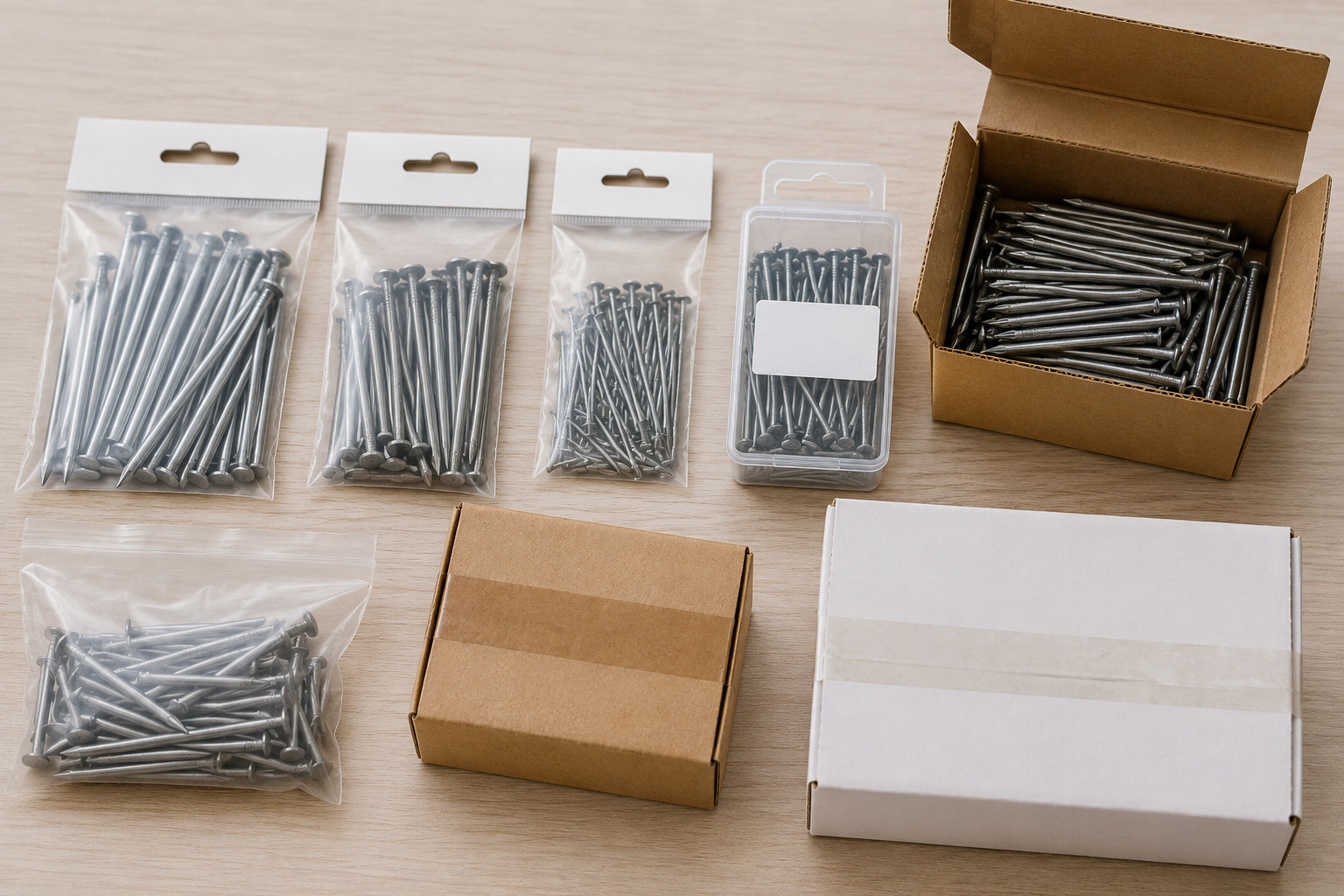
Press on nail packaging focuses on presentation and protection. Each nail must stay separate to prevent scratching or damage to decorative finishes. We use custom molded plastic trays that hold each nail in its own compartment.
The outer packaging usually combines a clear plastic container with printed cardboard backing. This design allows customers to see the product while providing space for branding and product information. The cardboard backing supports the weight and provides printing surface area.
Some customers prefer blister packaging for press on nails. This method seals each nail set in clear plastic against a printed card. Blister packaging costs less than custom trays but provides excellent product protection and display appeal.
For premium press on nail lines, we create custom boxes with foam inserts. Each nail sits in a precisely cut foam cavity that prevents movement during shipping. This packaging style works well for high-end retail environments and online sales.
What packaging options are available for common wire nails?
Common wire nails offer the most packaging flexibility. We can package these nails in almost any container type based on your needs.
Common wire nail packaging includes bulk bags, standard cartons, branded boxes, plastic containers, and custom OEM packaging. Weight ranges from 1kg retail packs to 25kg bulk containers.
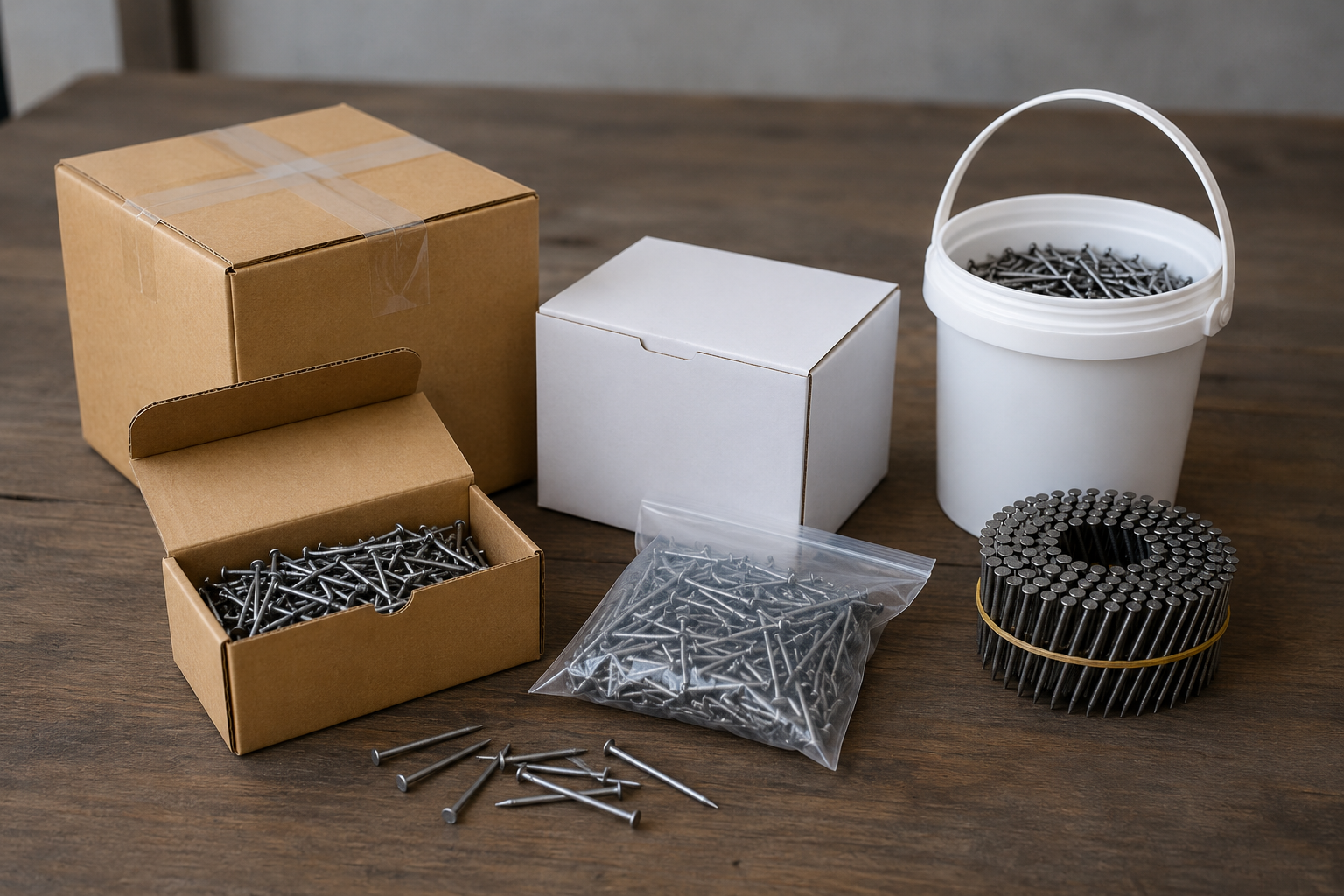
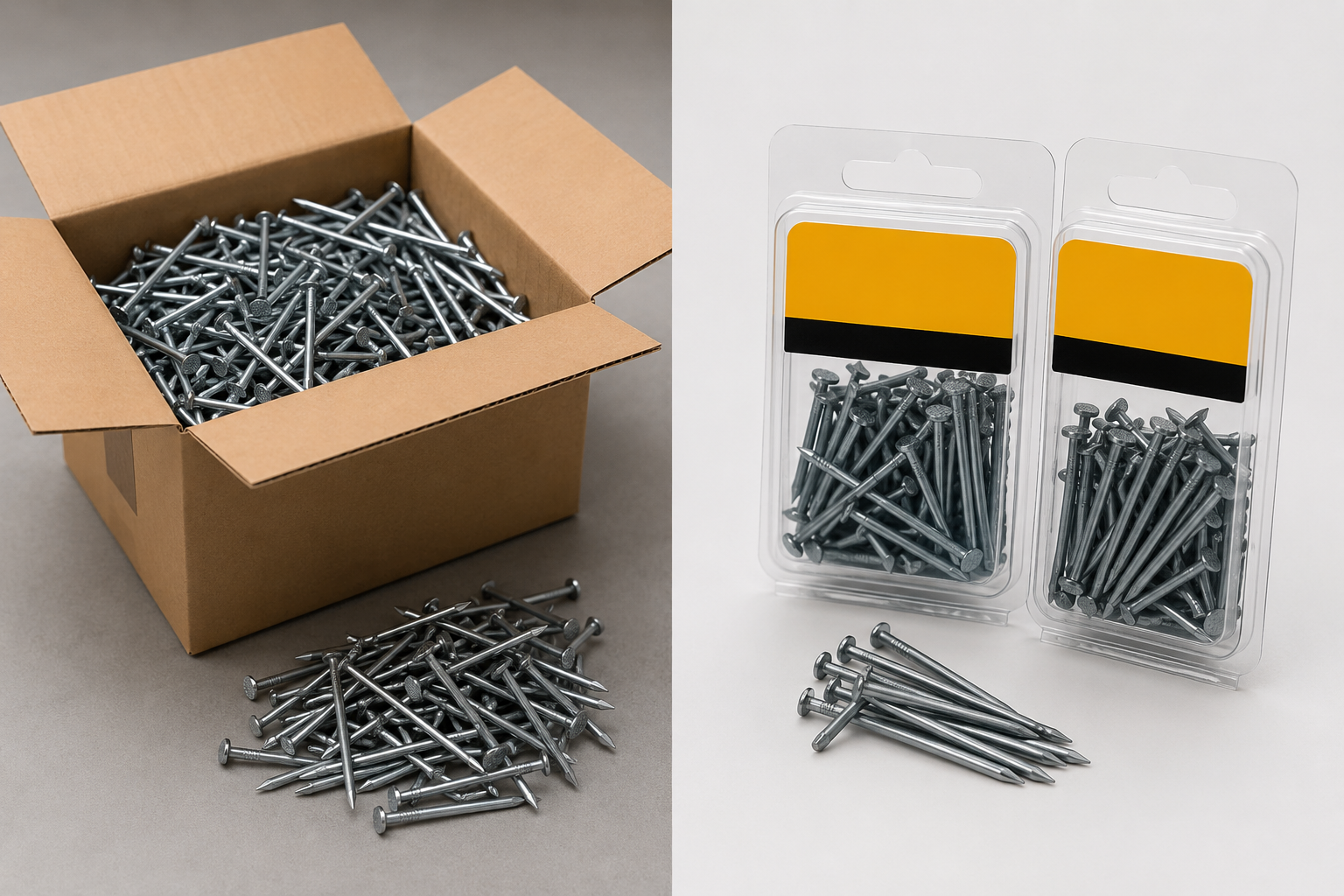
Bulk packaging works best for large construction projects and wholesale customers. We typically use woven polypropylene bags for weights from 5kg to 25kg. These bags cost very little and handle rough treatment well. Most contractors prefer bulk packaging because it reduces per-nail costs significantly.
Standard retail packaging uses cardboard boxes ranging from 500g to 5kg capacity. These boxes fit well on store shelves and provide good product protection. We print basic product information including nail size, quantity, and safety warnings on standard boxes.
Custom branded packaging allows you to build your own nail brand. We can print your logo, company colors, and marketing messages on any package size. This option costs more but helps differentiate your products from competitors in retail environments.
Plastic packaging works well for hardware stores and home improvement centers. Clear containers let customers see the product quality before purchase. We offer various plastic container sizes with snap-on lids for easy access and resealing.
| Package Type | Weight Range | Target Customer | Lead Time |
|---|---|---|---|
| Bulk Bags | 5-25kg | Construction/Wholesale | 15 days |
| Standard Cartons | 0.5-5kg | Retail/Hardware stores | 20 days |
| Custom Branded | 0.5-25kg | Private label brands | 25 days |
| Plastic Containers | 1-10kg | Hardware/Home improvement | 18 days |
Can I customize wire nail packaging with my own logo?
Logo customization creates the biggest impact on your brand recognition. Most of our successful customers use custom packaging to build their business identity.
Yes, we support full logo customization on wire nail packaging including your brand name, colors, and marketing messages. Minimum order quantities start at 5 metric tons for custom printed packaging.
Logo customization works on all packaging types we offer. Cardboard boxes provide the most printing space and color options. We can print up to 6 colors on cardboard packaging including metallic and special effect inks.
Plastic container customization uses different printing methods. We apply logos using heat transfer labels or direct screen printing. Heat transfer labels work better for complex designs with multiple colors. Screen printing costs less but limits color options.
Metal container customization creates the most premium appearance. We can emboss logos directly into the metal surface or apply high-quality labels. Embossed logos last longer but increase tooling costs for new customers.
The design process starts with your logo files in vector format. Our design team creates packaging layouts and sends proofs for your approval. We typically complete 2-3 design revisions before finalizing the artwork for production.
Custom packaging requires longer lead times than standard options. Logo design and proof approval adds 5-7 days to production schedules. First-time customers should plan extra time for design revisions and sample approval.
What is the MOQ for OEM nail packaging?
Minimum order quantities balance custom packaging costs with practical business needs. Our MOQ structure helps small and large customers access custom packaging options.
The minimum order quantity for OEM nail packaging starts at 5 metric tons of nails with custom packaging. This quantity allows cost-effective printing setup while supporting growing businesses.
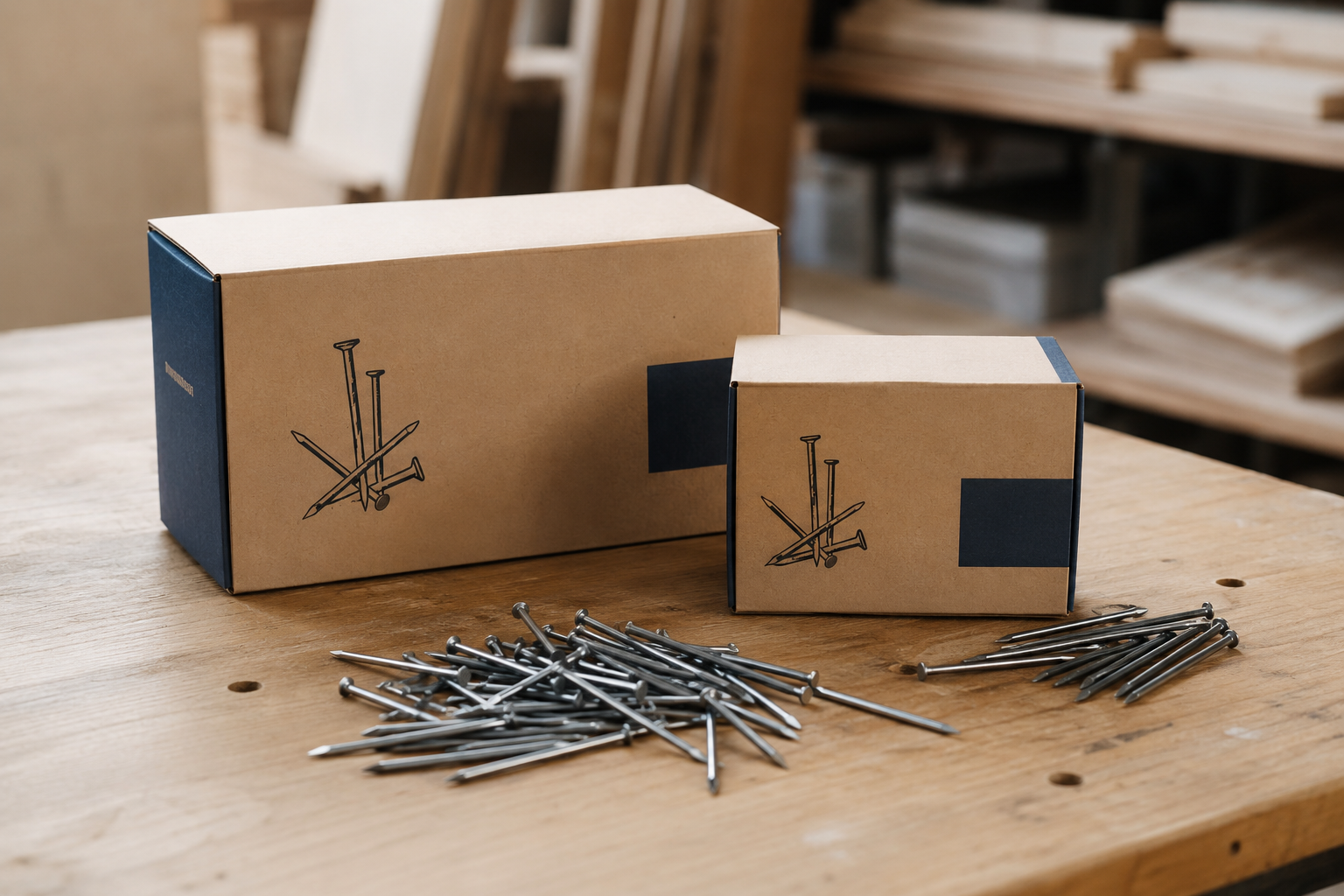
Our 5-ton minimum order quantity covers printing setup costs and material minimums. This quantity typically equals 200-500 individual packages depending on package size and nail specifications. Most customers find this quantity manageable for testing new markets or building inventory.
Smaller quantities increase per-unit packaging costs significantly. Custom printing requires setup fees for plates, screens, or digital files. These setup costs spread across larger quantities to achieve reasonable per-package pricing.
We offer flexible quantity structures for growing businesses. Customers can split 5-ton orders across multiple package sizes or nail specifications. This flexibility helps new brands test different market segments without overcommitting to single products.
Repeat customers enjoy reduced minimums on reorder quantities. Once we have your packaging artwork and specifications on file, reorder minimums drop to 3 metric tons. This reduction helps established customers maintain inventory levels more efficiently.
Payment terms support MOQ requirements with 30% deposits and 70% balance before shipping. We accept various payment methods including wire transfer, letter of credit, and trade assurance programs through verified platforms.
What information can be printed on a nail carton?
Printed information serves both marketing and safety purposes. The right information helps customers choose products and use them safely.
Nail cartons can display product specifications, safety warnings, company branding, contact information, and regulatory compliance marks. All text must meet local language and safety requirements.
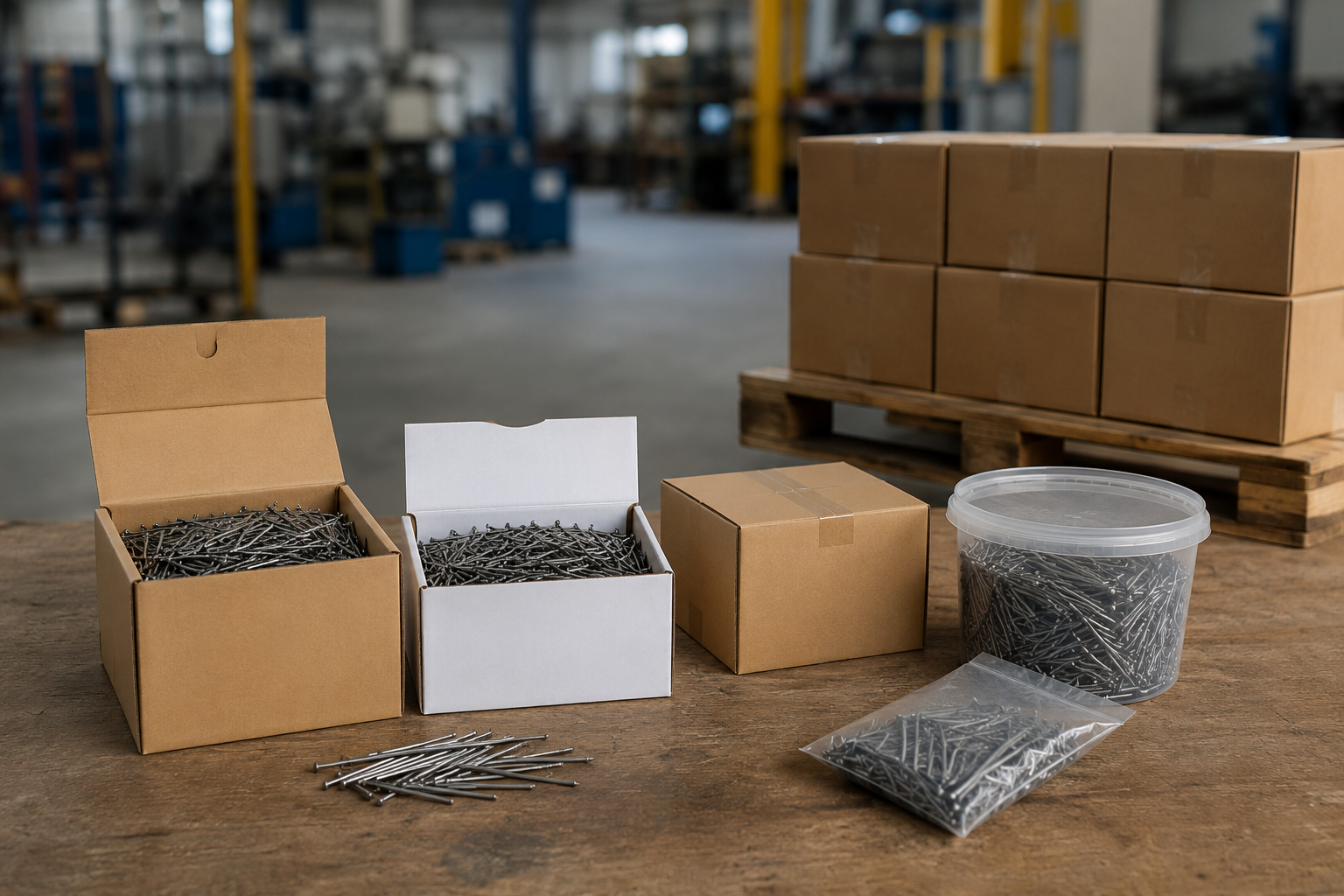
Product specification information includes nail size, length, diameter, and quantity. We print this information prominently on the front panel where customers can easily read it. Clear specifications reduce customer confusion and return rates.
Safety warnings cover proper nail usage, eye protection requirements, and storage recommendations. Different markets require different warning languages and formats. We maintain templates for common markets including North America, Europe, and Australia.
Company branding information includes your logo, company name, website, and contact details. This information helps customers reorder products and builds brand recognition over time. We recommend including QR codes linking to product information or company websites.
Regulatory compliance marks vary by destination market. CE marks for Europe, safety certifications for North America, and quality standards for various countries. Our export team ensures all required marks appear on packaging for your target markets.
Barcode information supports retail inventory systems and point-of-sale scanning. We can print standard UPC codes, EAN codes, or custom inventory codes based on your retail requirements. Barcode placement follows industry standards for reliable scanning.
| Information Type | Required/Optional | Placement | Size Limits |
|---|---|---|---|
| Product Specs | Required | Front panel | Minimum 8pt font |
| Safety Warnings | Required | Side/back panel | Local language |
| Company Branding | Optional | All panels | Customer choice |
| Regulatory Marks | Market dependent | Designated areas | Standard sizes |
Which packaging is best for wholesale and retail sales?
Different sales channels need different packaging approaches. Wholesale and retail customers have opposite priorities for packaging features.
Wholesale sales work best with bulk packaging that minimizes cost per nail, while retail sales need attractive branded packaging that stands out on shelves and communicates product benefits clearly.
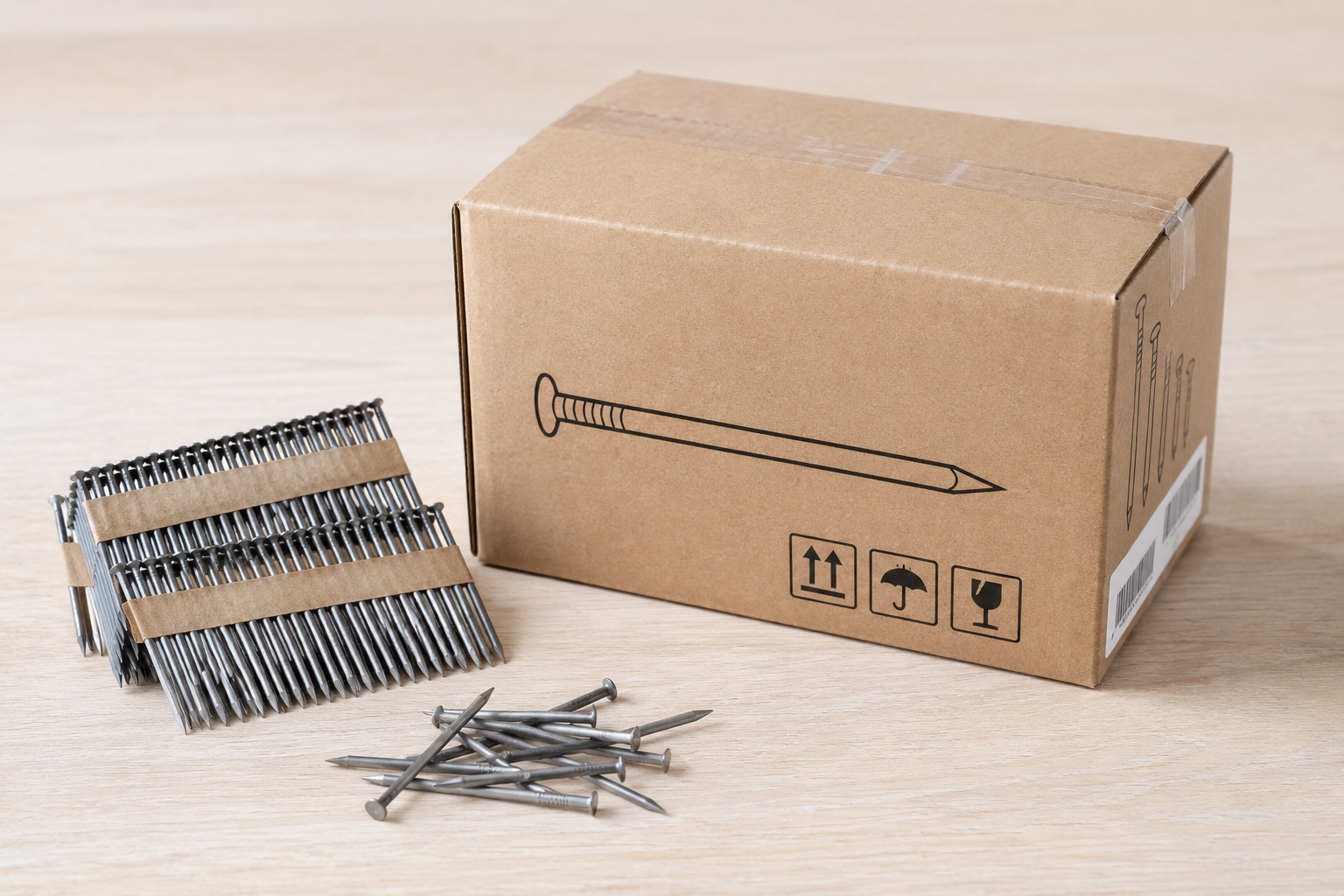
Wholesale packaging prioritizes cost efficiency and handling convenience. Large construction companies and distributors buy nails by the ton and care more about price than appearance. We use simple kraft cartons or woven bags that protect the product while minimizing packaging costs.
Retail packaging focuses on shelf appeal and customer information. Hardware stores and home improvement centers need packaging that attracts customers and explains product benefits. Colorful printing, clear product windows, and detailed specifications work better for retail environments.
Mixed-channel businesses often need both packaging types. We help customers develop packaging strategies that serve both wholesale and retail customers efficiently. Some customers use bulk packaging for contractor sales and retail packaging for store distribution.
Package sizing affects both wholesale and retail success. Wholesale customers prefer larger packages that reduce handling costs and storage space requirements. Retail customers often want smaller packages that match typical project needs and fit in shopping carts easily.
Distribution considerations impact packaging choices significantly. Wholesale packages must survive rough handling during shipping and storage. Retail packages need attractive appearance even after multiple handling stages from warehouse to store shelf to customer purchase.
How long does custom packaging production take?
Production timing affects inventory planning and market launch schedules. Understanding lead times helps customers plan orders and avoid stock shortages.
Custom nail packaging production takes 20-25 days from artwork approval to finished goods, including 5 days for design development and 15-20 days for printing and assembly.
The design development phase typically requires 3-5 business days. This time covers logo placement, color matching, and layout optimization for your specific package sizes. Complex designs with multiple colors or special effects may need additional time for proper development.
Artwork approval processes vary by customer but usually take 2-3 days. Some customers approve designs immediately while others need internal reviews or legal approvals. We recommend building extra time into launch schedules for thorough artwork review processes.
Printing production requires 10-15 days depending on package complexity and quantity. Simple single-color printing completes faster than multi-color designs with special finishes. Large quantities may need additional time for quality control and packaging assembly.
Assembly and quality control add 3-5 days to production schedules. We inspect all custom packaging for print quality, color accuracy, and structural integrity before shipment. This quality control prevents customer disappointment and reduces return rates significantly.
Rush orders can reduce lead times by 5-7 days with additional fees. Rush production requires dedicated production line time and may limit color or finish options. We recommend standard lead times for best quality and pricing results.
Can you provide packaging samples before mass production?
Sample evaluation prevents costly mistakes and ensures customer satisfaction. Most successful custom packaging projects start with thorough sample review and approval processes.
Yes, we provide packaging samples for approval before mass production begins. Sample fees typically range from $50-200 depending on complexity, with fees credited toward final orders above minimum quantities.
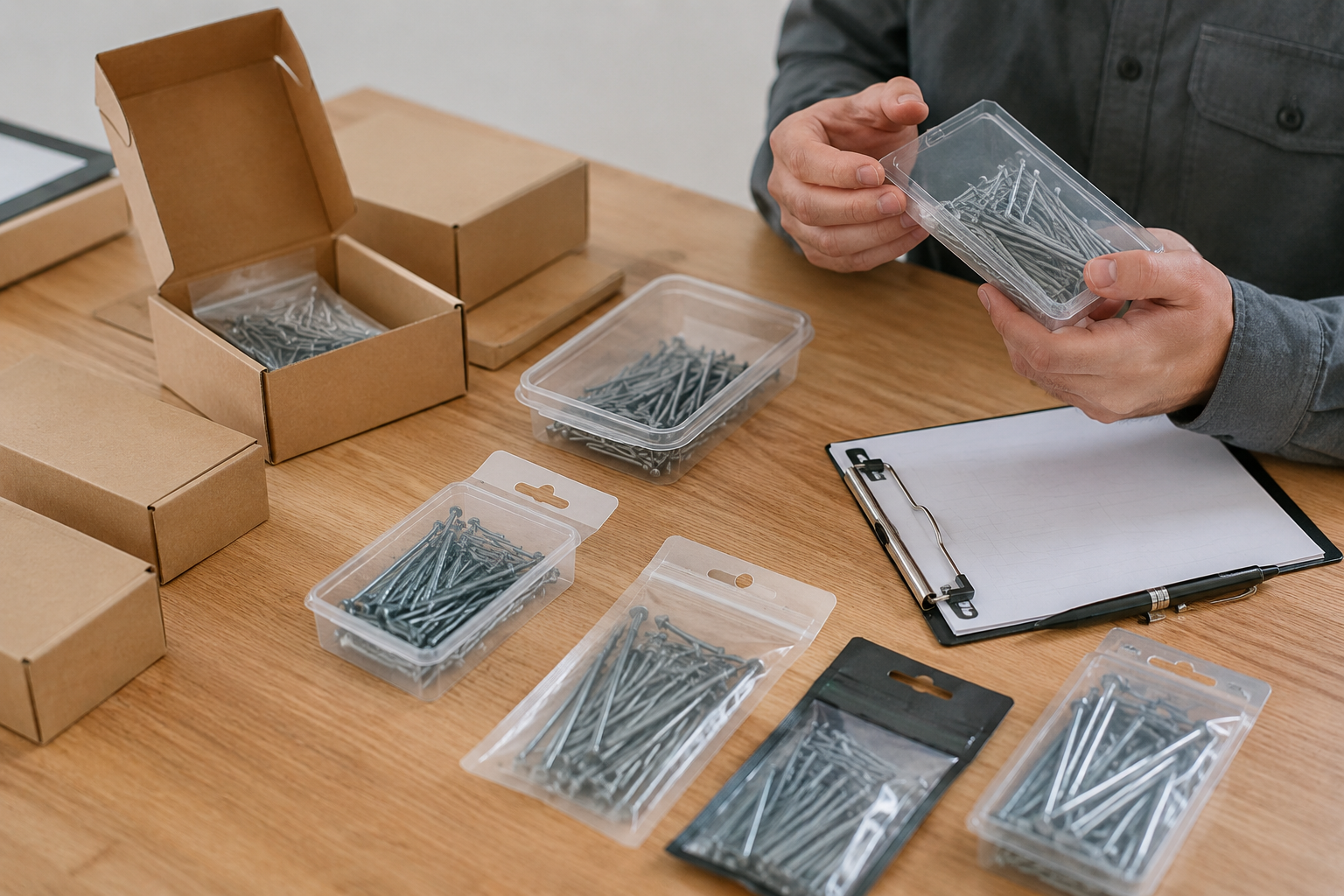
Sample production follows the same processes as mass production but in smaller quantities. We create 3-5 sample packages using your exact specifications, colors, and printing requirements. These samples show exactly how the final packaging will look and feel.
Sample evaluation should cover print quality, color accuracy, structural strength, and overall appearance. We recommend testing samples under normal handling conditions to ensure they meet your durability requirements. Some customers test samples in their actual sales environments before approving mass production.
Sample timing adds 7-10 days to overall project schedules. Sample production, shipping, customer evaluation, and approval feedback require additional time before mass production begins. Customers should factor sample time into their launch planning and inventory schedules.
Revision samples may be necessary if initial samples need changes. We provide one revision round at no additional cost for minor adjustments. Major changes requiring new artwork or specifications may need additional sample fees and time.
Sample approval documentation protects both parties during mass production. We require written approval of samples before beginning full production runs. This approval process prevents misunderstandings and ensures final packaging meets customer expectations exactly.
Conclusion
Wire nail packaging success depends on matching package types to your target market, whether bulk wholesale or branded retail solutions.