Finding a trustworthy nail manufacturer in China can make or break your business. You need quality products, fair prices, and reliable delivery.
Verifying a reliable Chinese nail supplier requires checking factory credentials, production capacity, quality certifications, and conducting on-site inspections. Look for manufacturers with ISO certification, export licenses, and proven track records with international clients.
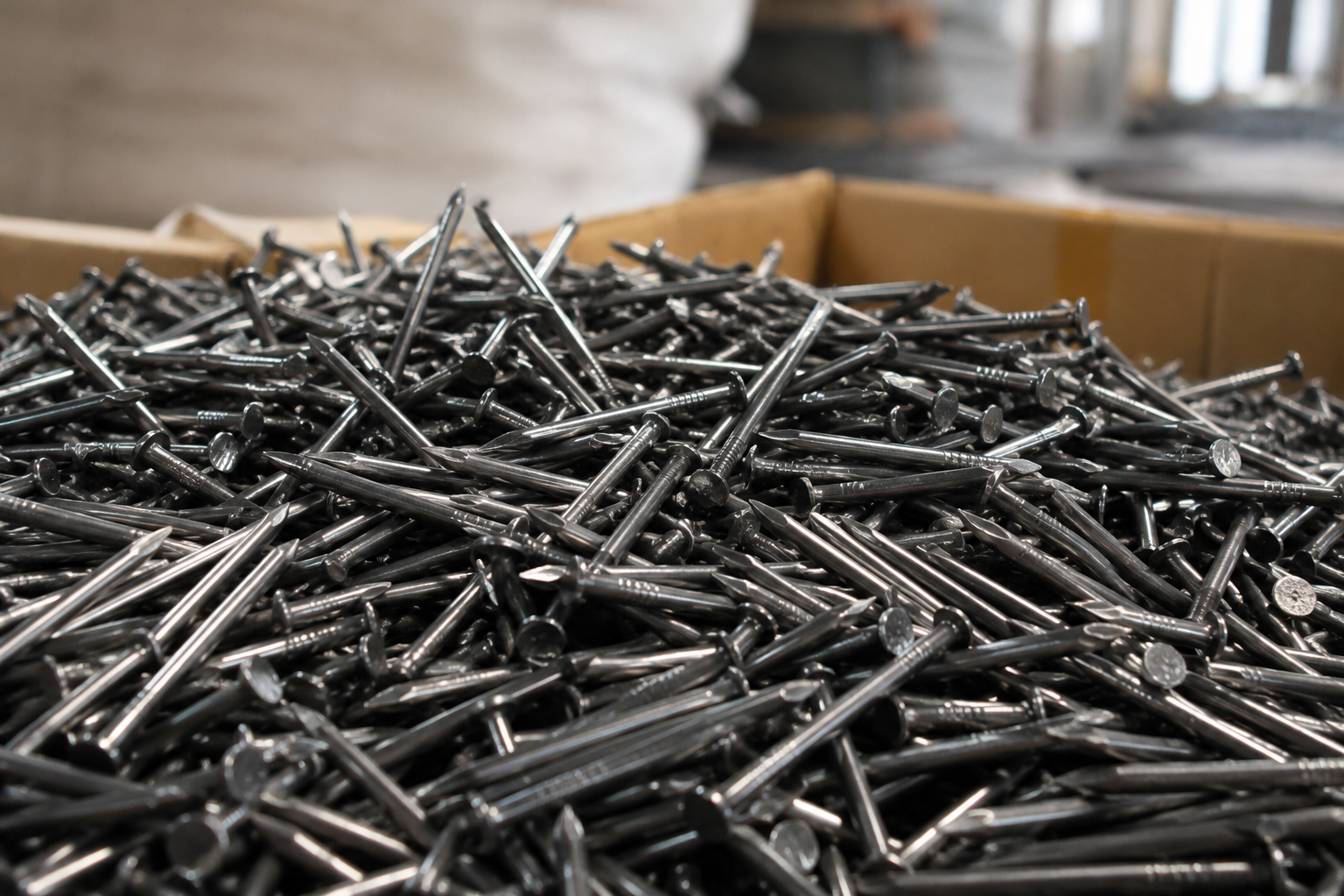
After importing nails from China for over 15 years through our company Dingzhou Bestar, I have learned the hard way which red flags to watch for. Let me share what separates genuine manufacturers from questionable suppliers.
What Company is Known for High Quality Galvanized Nails?
The galvanized nail market in China has thousands of suppliers. Most buyers struggle to identify the real quality manufacturers.
Top galvanized nail manufacturers in China include companies with ISO 9001 certification, SGS audits, and specialized galvanizing equipment. Look for suppliers who control their own zinc coating process and provide thickness reports.
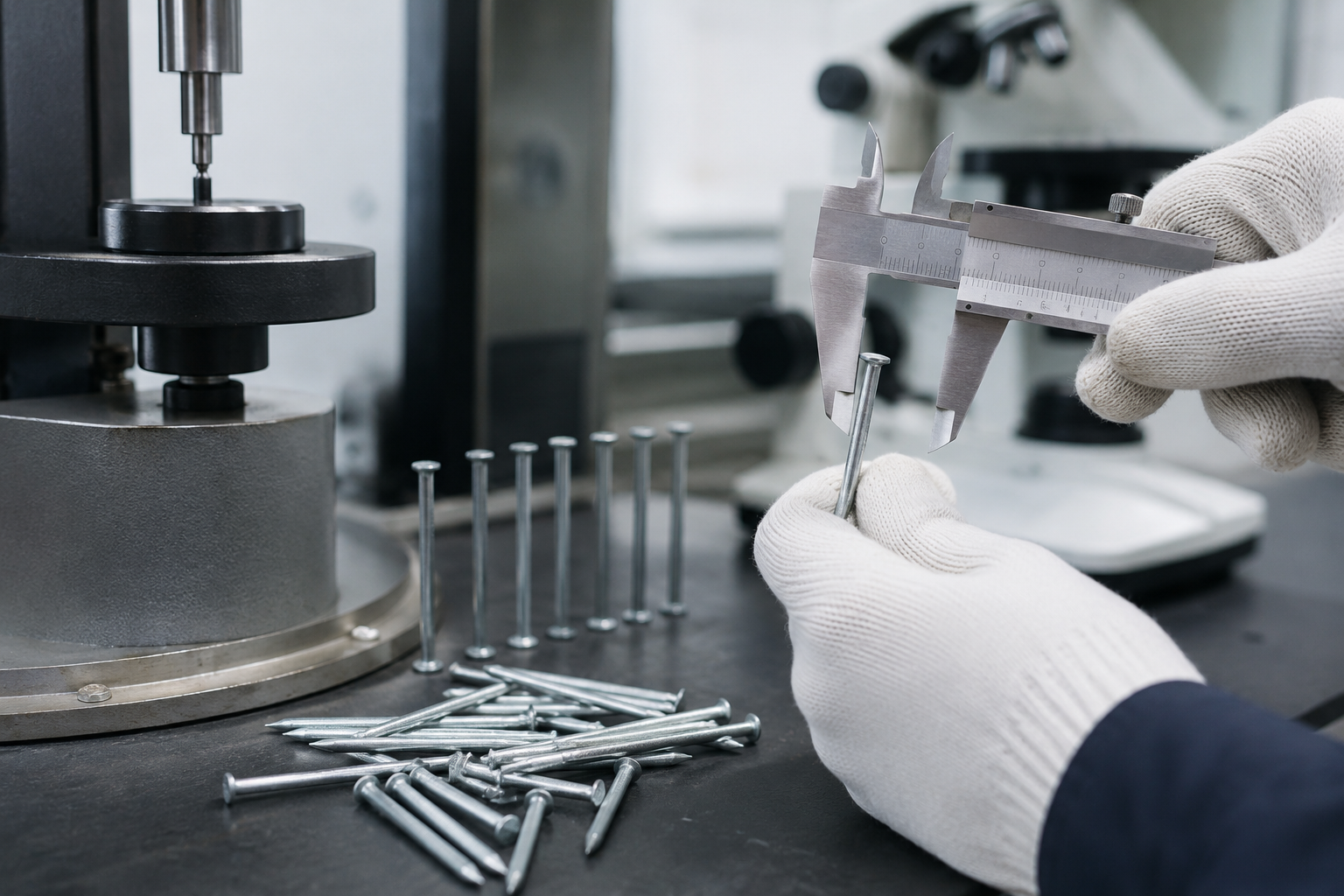
The best galvanized wire nail manufacturers invest heavily in their coating lines. At our Dingzhou Bestar facility, we maintain our own hot-dip galvanizing tanks and continuous galvanizing equipment. This allows us to control zinc coating thickness between 45-86 microns consistently.
Quality galvanized nail suppliers should provide these documents:
- Zinc coating thickness test reports
- Salt spray test results (minimum 72 hours)
- Raw material certificates from steel suppliers
- Production process flow charts
I recommend requesting samples from multiple suppliers for side-by-side comparison. Pay attention to coating uniformity, surface smoothness, and adhesion quality. Poor galvanizing shows white rust within days of exposure.
The most reliable manufacturers also offer different coating options like hot-dip galvanizing, electro-galvanizing, and mechanical galvanizing. They understand that different applications require different protection levels.
How Can I Verify Whether a Chinese Nail Supplier is a Real Factory?
Distinguishing real manufacturers from trading companies saves money and reduces risks. Trading companies add markup without adding value.
Real nail factories own production equipment, employ technical staff, and control quality directly. Check for business licenses showing manufacturing scope, factory photos with machinery, and employee counts above 50 people.
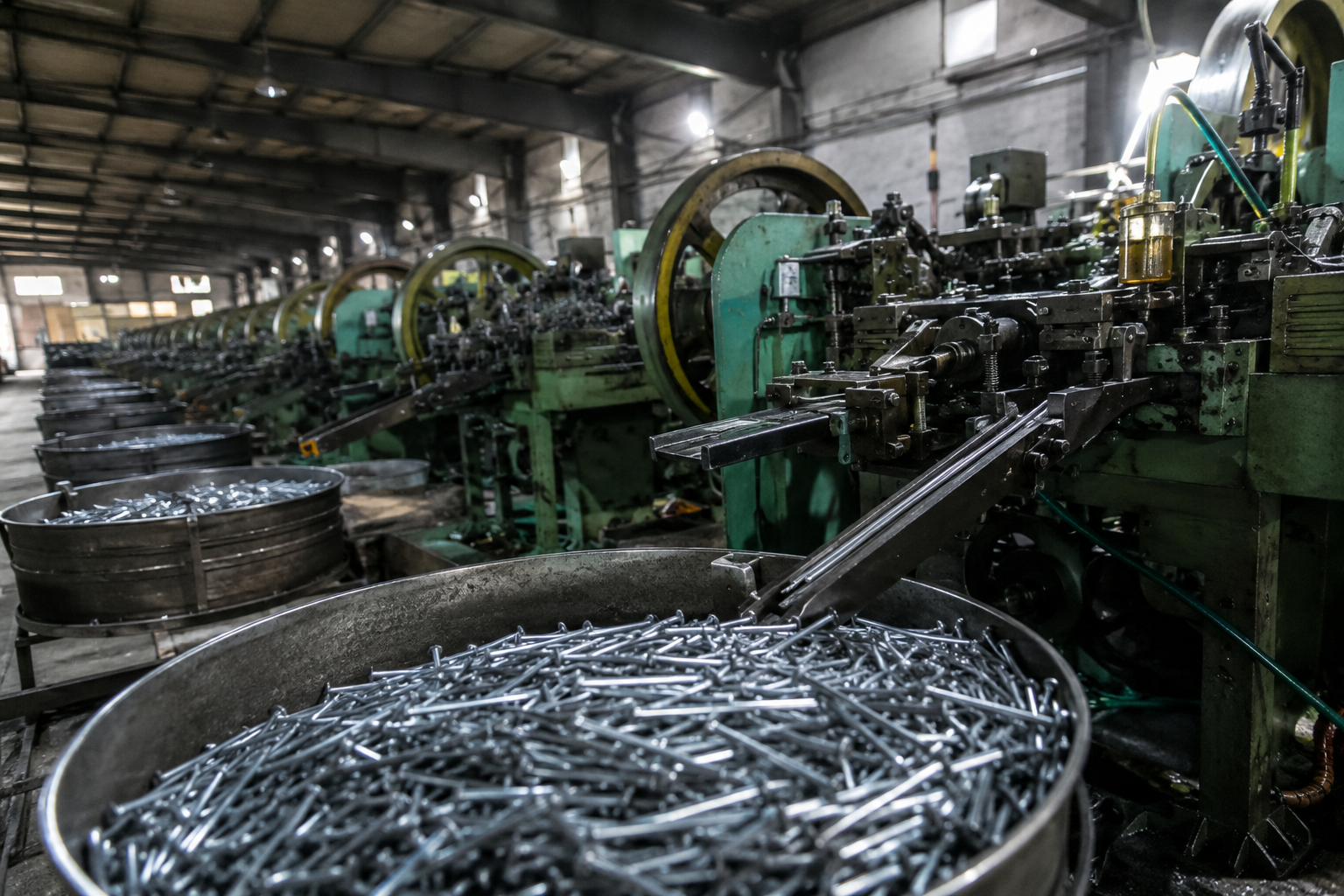
I have visited dozens of Chinese nail suppliers over the years. Here are the clear signs of a genuine manufacturer:
Equipment ownership verification:
- Request photos of nail making machines with company logos
- Ask for equipment purchase invoices or lease agreements
- Verify machine brands and models through manufacturer websites
- Check production capacity calculations against machine specifications
Staff and facility indicators:
- Manufacturing companies employ 50+ workers minimum
- Trading companies typically have 5-15 office staff only
- Real factories show production workshops, not just offices
- Technical staff can explain manufacturing processes in detail
Business registration checks:
- Manufacturing scope listed in business license
- Factory address matches registration address
- Export license issued to manufacturing entity
- Tax registration shows industrial classification
During factory visits, I always ask to see the wire drawing machines, nail making equipment, and quality testing instruments. Trading companies cannot provide this access because they do not own the equipment.
What is the Difference Between Wire Nails and Common Nails?
Understanding nail terminology helps you communicate requirements clearly with Chinese suppliers. Wrong specifications lead to wrong products.
Wire nails are made from drawn steel wire with consistent diameter and smooth finish. Common nails include all basic construction nails regardless of manufacturing method. Wire nails represent a subset of common nails.
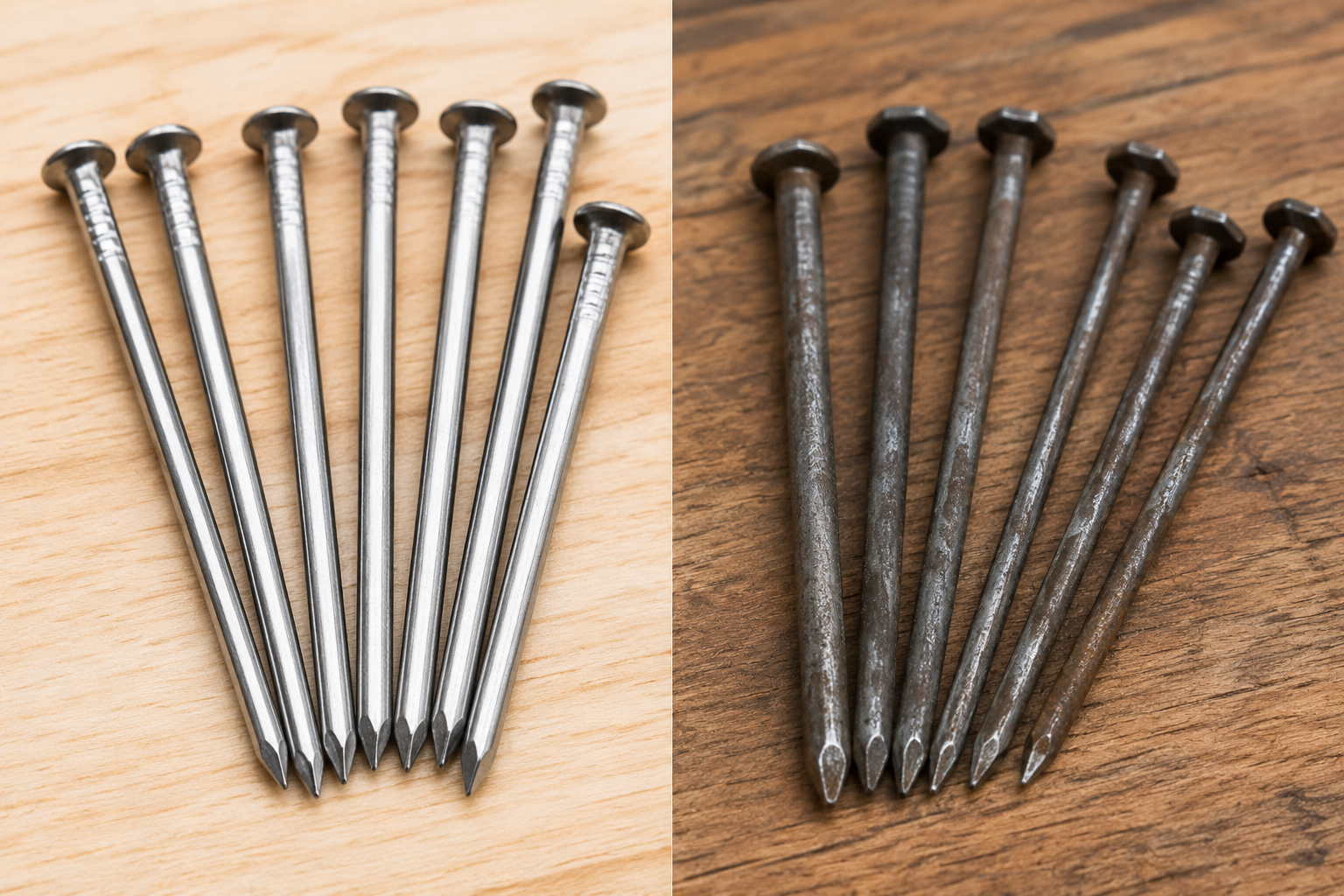
The terminology confusion stems from different classification systems used globally. In manufacturing terms, here are the key differences:
Wire nail characteristics:
- Made from cold-drawn steel wire
- Consistent diameter throughout length
- Smooth, bright finish standard
- Higher tensile strength due to wire drawing process
- Precise dimensional tolerances
Common nail broader category:
- Includes wire nails, cut nails, and forged nails
- Various manufacturing methods accepted
- Finish options include bright, galvanized, or coated
- Standard construction applications
- Less precise dimensional requirements
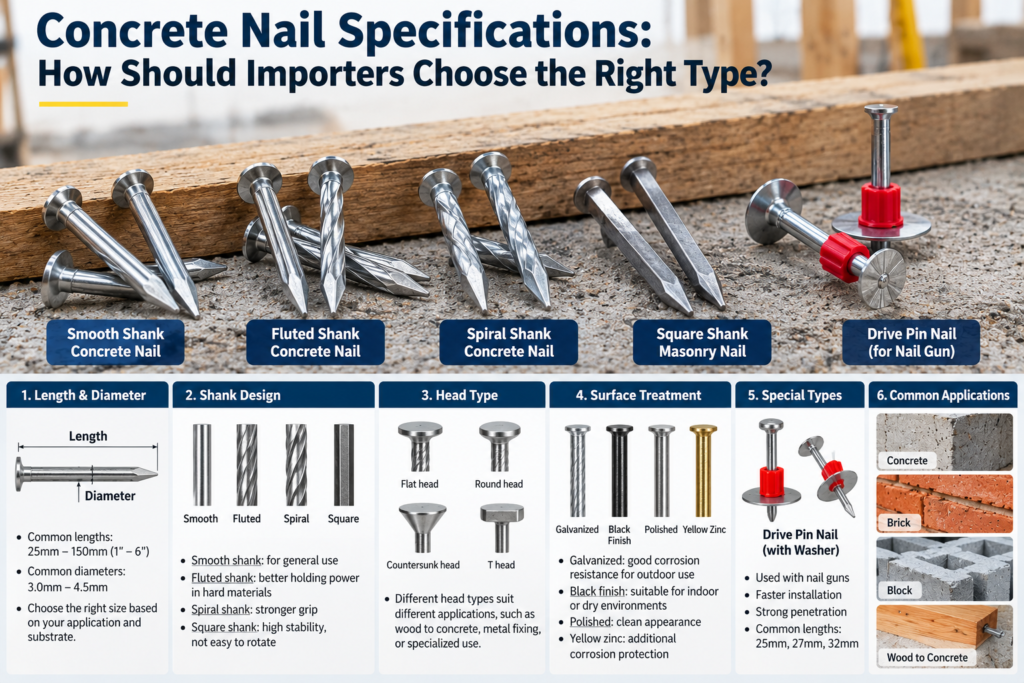
When ordering from Chinese suppliers, specify "bright common wire nails" or "galvanized common wire nails" to avoid confusion. Include detailed specifications for:
- Wire diameter (2.5mm, 3.0mm, 3.5mm, etc.)
- Length requirements
- Head type (flat head, checkered head)
- Point type (diamond point, sharp point)
- Surface treatment requirements
Most Chinese nail manufacturers focus on wire nail production because the equipment investment is lower than cut nail machinery.
How Do I Distinguish a Manufacturer from a Trading Company?
Trading companies often present themselves as manufacturers to win business. Knowing the differences protects your interests.
Manufacturers own production facilities and equipment, employ technical staff, and control quality directly. Trading companies source from multiple factories, add markup, and have limited quality control.
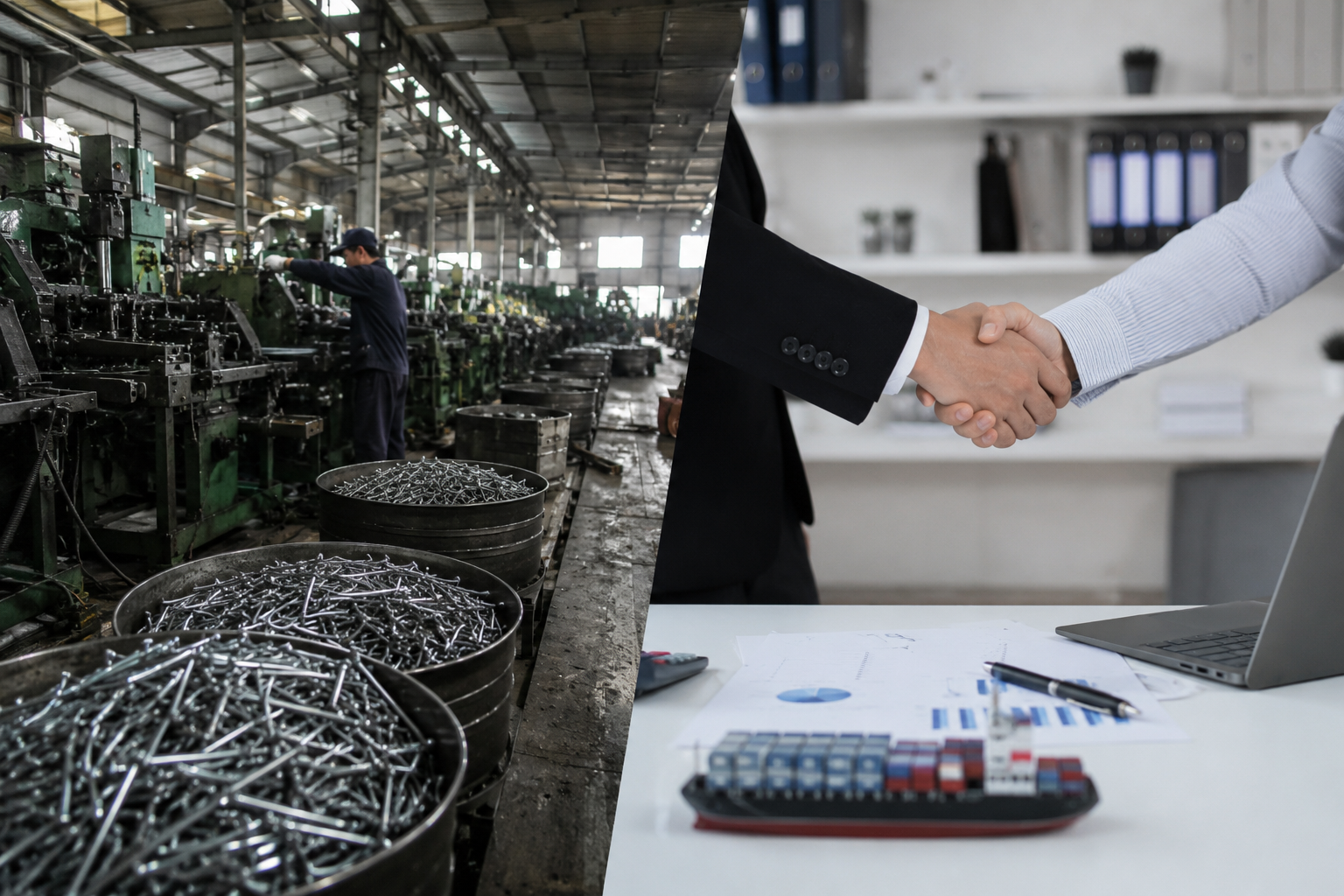
The distinction matters because working directly with manufacturers offers several advantages:
Direct manufacturer benefits:
- Lower prices without trading company markup
- Direct communication with production teams
- Faster response to quality issues
- Greater customization flexibility
- More reliable delivery schedules
Red flags indicating trading companies:
- Vague answers about production capacity
- Cannot provide specific equipment details
- Office-only locations without workshops
- Limited technical knowledge about manufacturing
- Reluctance to allow factory visits
Verification methods I use:
- Request detailed factory photos with timestamps
- Ask for production process videos
- Verify business license manufacturing scope
- Check employee count and technical staff qualifications
- Confirm equipment ownership through invoices
During my supplier evaluation process, I always conduct video calls to see the actual production floor. Real manufacturers proudly show their equipment and processes. Trading companies make excuses or show generic factory footage.
The business registration documents also reveal the truth. Manufacturing companies register with industrial production scope, while trading companies register for commercial activities only.
What Certificates Should a Nail Manufacturer Have?
Proper certifications indicate professional operations and quality commitment. Missing certificates often signal unreliable suppliers.
Essential certificates for nail manufacturers include ISO 9001 quality management, export licenses, business registration, and product quality reports. International suppliers should also have CE marking or relevant regional certifications.
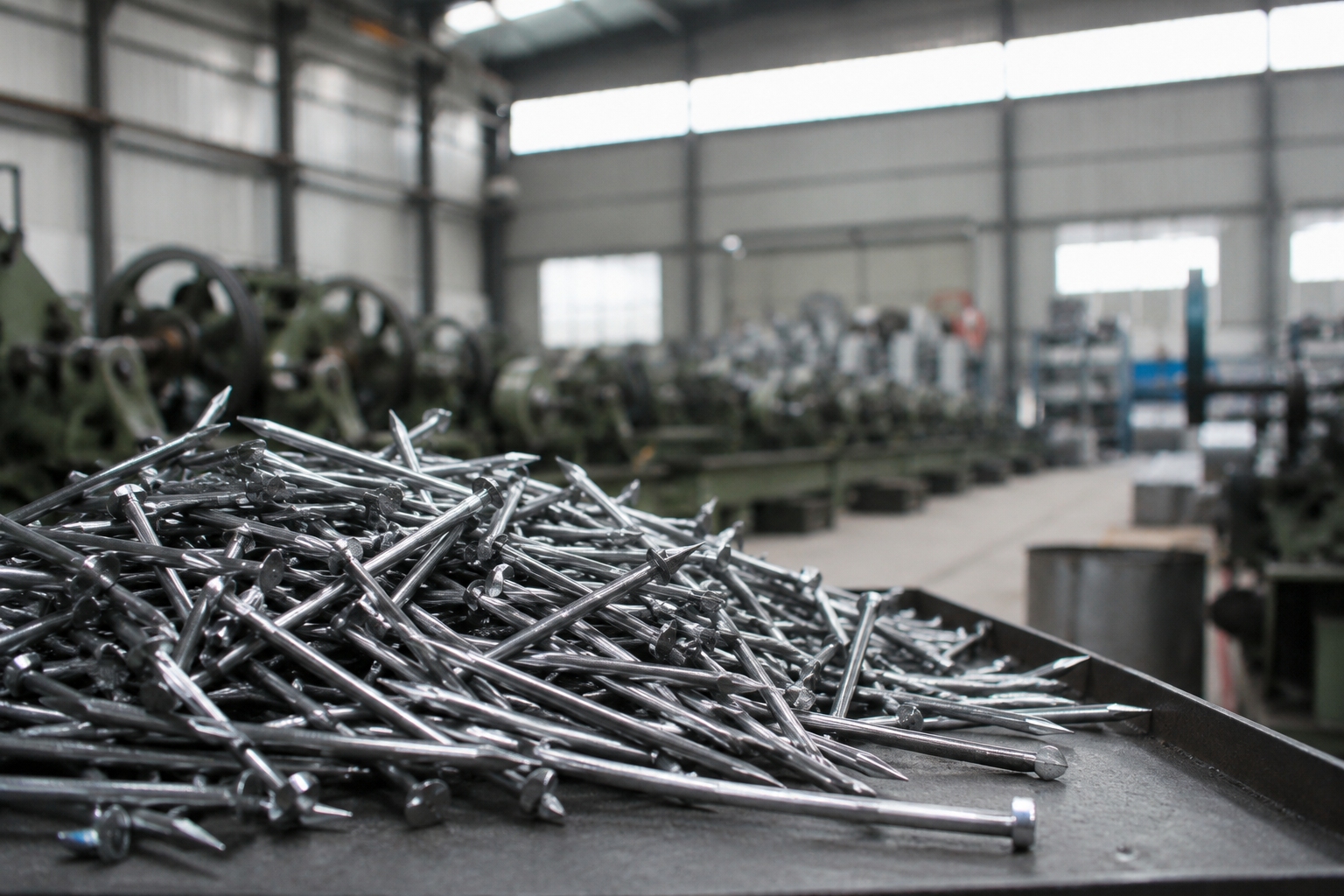
After evaluating hundreds of Chinese nail suppliers, I have identified the must-have certifications:
Mandatory business certificates:
- Business license with manufacturing scope
- Tax registration certificate
- Import/export license
- Customs registration certificate
- Safety production permit
Quality system certifications:
- ISO 9001:2015 quality management system
- ISO 14001 environmental management (preferred)
- OHSAS 18001 occupational health safety (preferred)
- Product quality inspection reports
International market certificates:
- CE marking for European markets
- ASTM compliance reports for US markets
- JIS standards compliance for Japanese markets
- AS/NZS standards for Australian markets
Third-party audit reports:
- SGS factory inspection reports
- BV (Bureau Veritas) audit certificates
- TUV quality system verification
- Intertek facility assessments
The certification dates matter as much as the certificates themselves. ISO certifications require annual surveillance audits and three-year renewals. Expired certificates indicate poor management systems.
I always request copies of original certificates and verify them through issuing authority websites. Fake certificates are common, especially among smaller suppliers trying to appear legitimate.
How Can I Verify Production Capacity Before Placing an Order?
Production capacity verification prevents delivery delays and quality compromises. Overstretched suppliers cannot maintain standards.
Verify production capacity by checking equipment count, shift schedules, current order backlogs, and monthly output records. Request production planning documents and calculate theoretical capacity against claimed output.
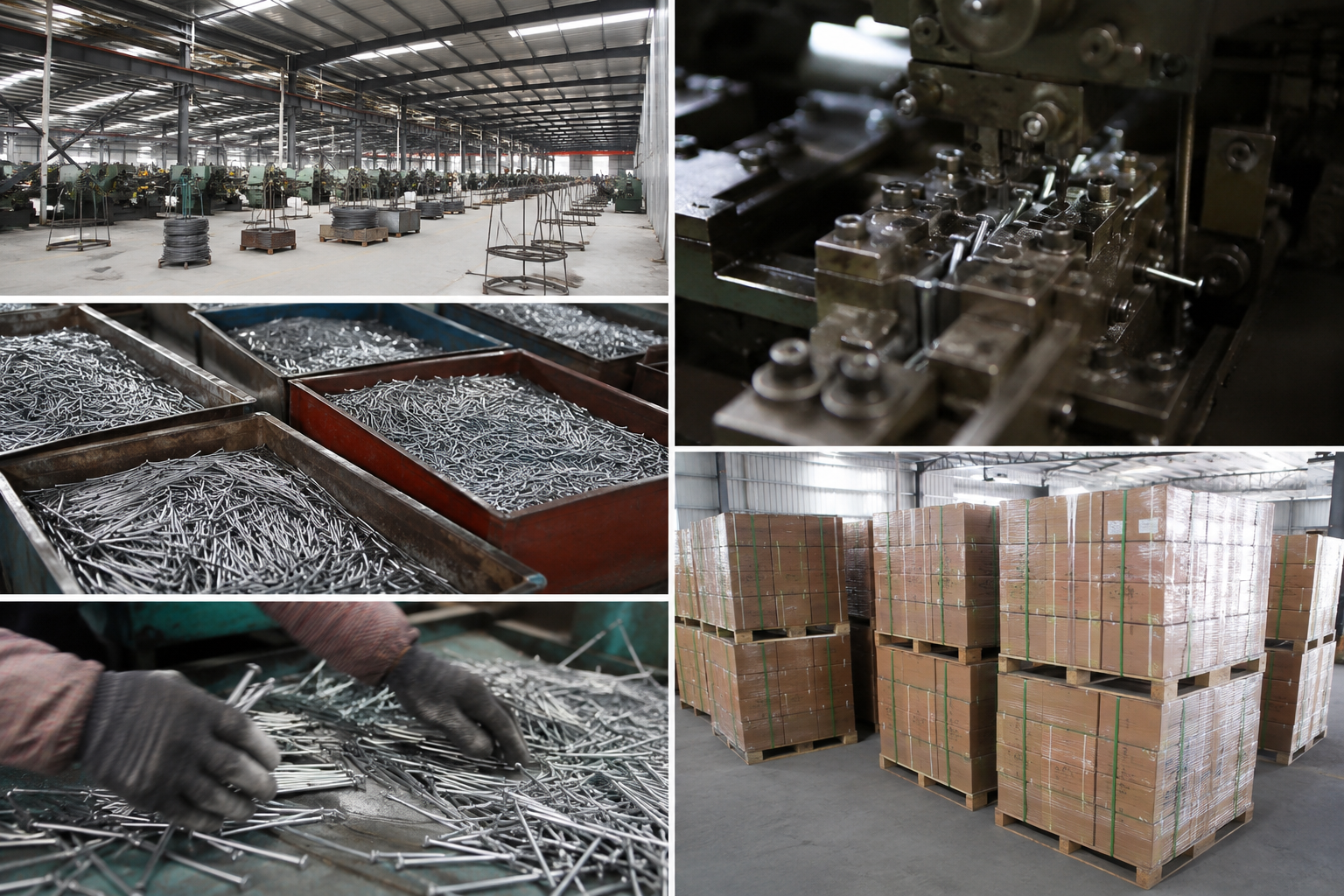
Accurate capacity assessment requires understanding the manufacturing process and equipment limitations:
Equipment-based capacity calculation:
- Each nail making machine produces 200-800 pieces per minute
- Daily production = machine speed × operating hours × machine count
- Monthly capacity = daily production × working days
- Consider maintenance downtime (typically 10-15%)
Verification methods I recommend:
- Request detailed equipment lists with specifications
- Calculate theoretical capacity independently
- Compare claimed capacity with equipment capabilities
- Review production schedules and order backlogs
- Ask for monthly production reports from previous year
Warning signs of overclaimed capacity:
- Round numbers without detailed calculations
- Capacity claims exceeding equipment limits
- No consideration for maintenance downtime
- Inability to explain capacity calculations
- Reluctance to share production schedules
During factory visits, I count the actual nail making machines and note their specifications. A common trick is claiming capacity based on maximum theoretical output without considering practical limitations like material changeovers, quality control stops, and maintenance requirements.
Real manufacturers provide detailed capacity breakdowns by product type, wire diameter, and length specifications. They understand that different nail sizes require different production speeds and setup times.
Should I Trust Alibaba Gold Supplier Status?
Alibaba Gold Supplier status provides some verification but should not be your only criteria for supplier selection.
Gold Supplier status indicates paid membership and basic verification, not manufacturing capability or quality standards. Use it as a starting point but conduct independent verification of factory credentials and capabilities.
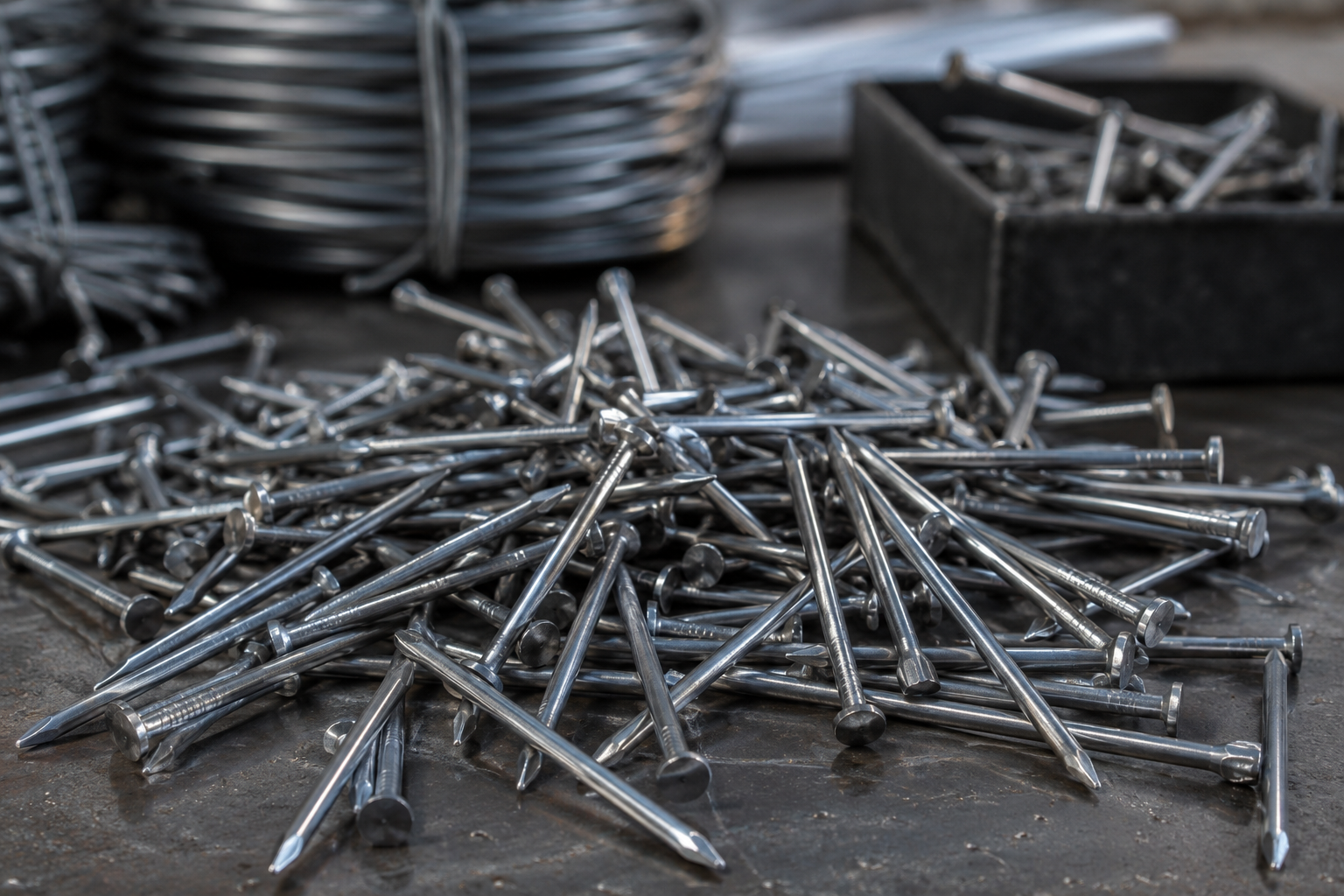
After working with dozens of Alibaba suppliers over the years, I have learned that Gold Supplier status has both benefits and limitations:
What Gold Supplier status provides:
- Basic business license verification
- Company registration confirmation
- Contact information validation
- Trade assurance protection options
- Higher search ranking visibility
What Gold Supplier status does not guarantee:
- Manufacturing capability verification
- Production capacity accuracy
- Quality system implementation
- Financial stability assessment
- Customer satisfaction history
Additional verification steps needed:
- Independent factory audit or visit
- Reference checks with existing customers
- Financial background investigation
- Production capacity verification
- Quality system assessment
Many trading companies achieve Gold Supplier status easily because they meet basic business registration requirements. The status does not distinguish between manufacturers and traders.
I recommend using Alibaba as a sourcing platform but conducting thorough due diligence independently. The best suppliers often have Gold Supplier status, but not all Gold Suppliers are reliable manufacturers.
The Trade Assurance program offers some protection for payments and delivery, but prevention through proper supplier verification remains more effective than relying on dispute resolution.
Is a Third-Party Factory Audit Worth the Cost?
Professional factory audits provide independent verification but require cost-benefit analysis based on order value and risk tolerance.
Third-party audits cost $800-2000 but provide objective factory assessment, quality system evaluation, and production capacity verification. Worth the investment for orders above $50,000 or long-term partnerships.
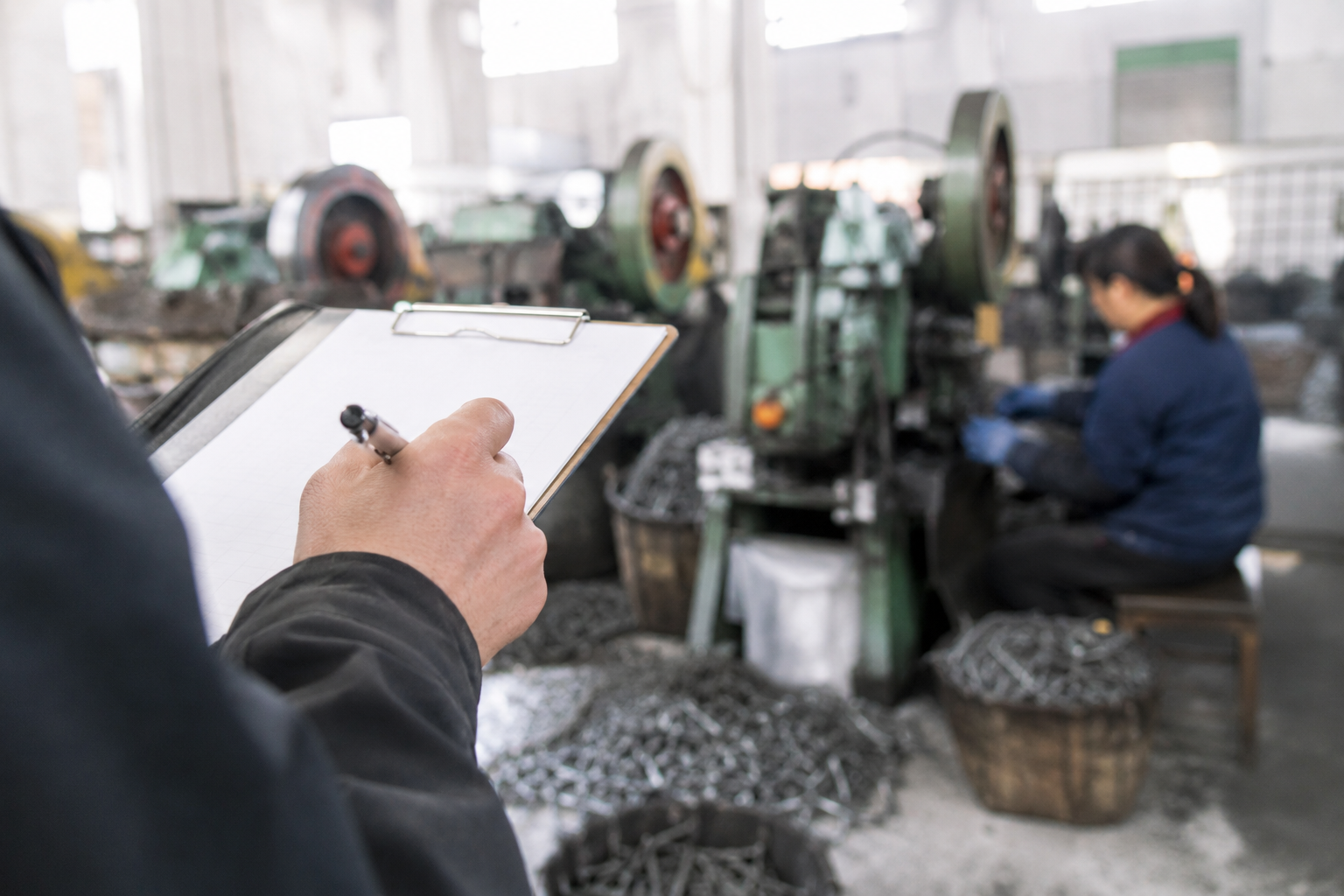
Professional audit services like SGS, BV, and TUV offer comprehensive factory assessments that cover areas individual buyers cannot evaluate effectively:
Audit scope typically includes:
- Factory infrastructure and equipment assessment
- Quality management system evaluation
- Production capacity verification
- Worker condition and safety compliance
- Environmental management practices
- Financial stability indicators
Cost-benefit analysis factors:
- Order value and frequency
- Product complexity and quality requirements
- Supplier relationship duration
- Risk tolerance level
- Alternative verification costs
When audits make sense:
- First-time orders above $50,000
- Long-term supply agreements
- Complex technical requirements
- High-risk product categories
- Multiple sourcing options need comparison
When audits may not be necessary:
- Small trial orders under $10,000
- Simple commodity products
- Established supplier relationships
- Limited budget constraints
- Time-sensitive procurement
The audit reports provide valuable insights beyond pass/fail assessments. They highlight improvement areas and help establish realistic expectations about supplier capabilities.
I typically recommend audits for new suppliers when planning significant volume commitments. The cost often pays for itself by preventing quality issues and delivery problems.
What Should I Check Before Paying a Deposit?
Deposit payments carry significant risks with unverified suppliers. Proper verification protects your investment and ensures project success.
Before paying deposits, verify business registration, check bank account ownership, confirm production capacity, review quality systems, and establish clear payment terms with milestone protections.
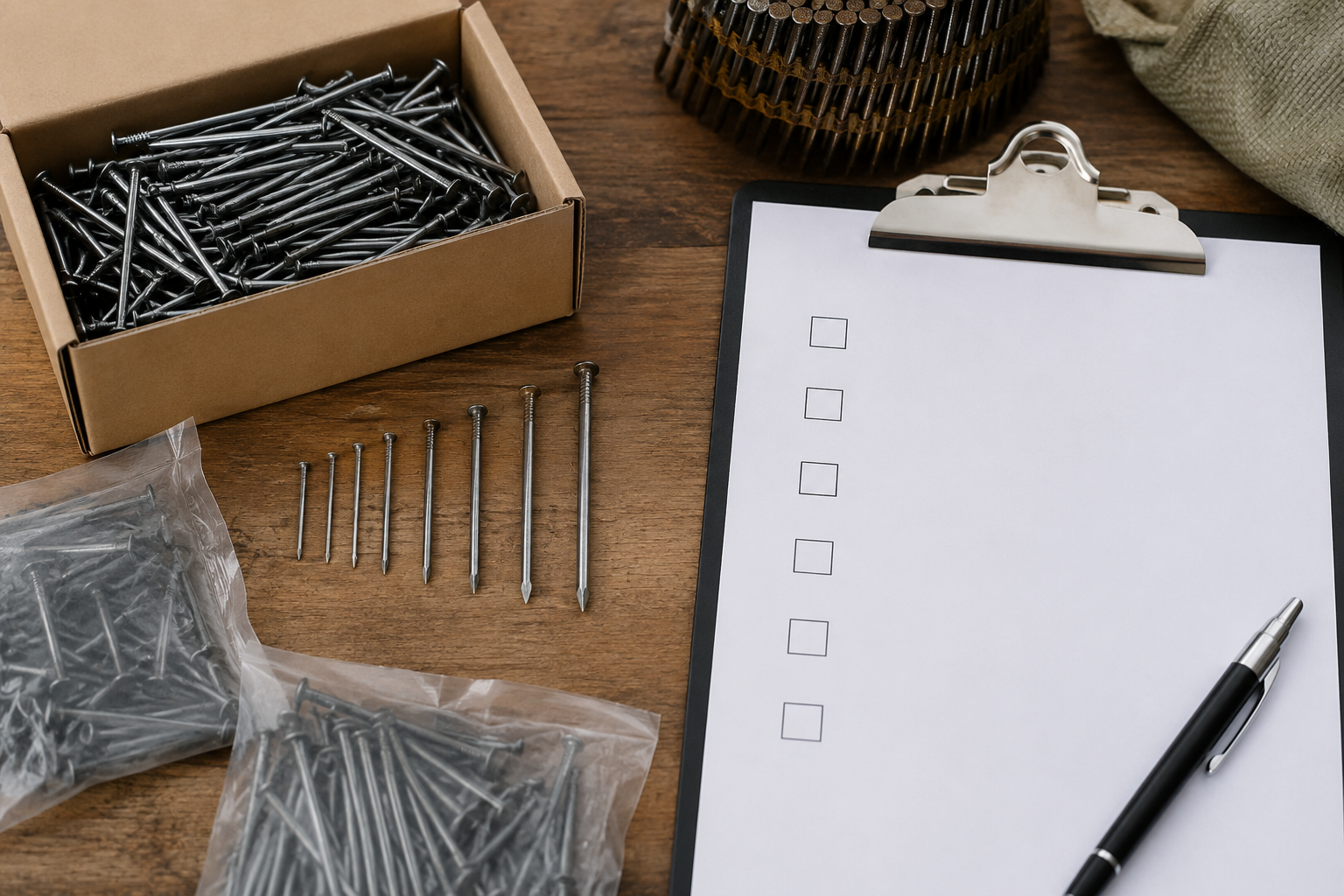
Deposit fraud remains common in Chinese manufacturing, especially among smaller suppliers. My verification checklist has prevented numerous payment losses:
Financial verification requirements:
- Business bank account matches company registration
- Account holder name matches business license
- Bank reference letters or statements
- Financial stability indicators
- Payment terms clearly documented
Legal and operational checks:
- Current business license with manufacturing scope
- Export license validity and scope
- Factory address verification through maps
- Equipment ownership confirmation
- Quality system implementation evidence
Contract protection elements:
- Clear product specifications and tolerances
- Delivery schedules with penalty clauses
- Quality standards and inspection procedures
- Payment milestones tied to production progress
- Refund conditions for non-performance
Red flags requiring additional caution:
- Pressure for full payment upfront
- Bank accounts in individual names
- Reluctance to provide business documents
- Vague or changing contract terms
- No quality guarantee provisions
The safest approach involves graduated payments tied to production milestones. Initial deposits should not exceed 30% of order value, with balance payments linked to production completion and quality approval.
Letter of credit arrangements provide additional protection for larger orders, though they increase transaction costs and complexity.
How Do I Inspect Nail Quality Before Mass Production?
Quality inspection before mass production prevents costly mistakes and ensures product specifications are met correctly.
Inspect nail samples for dimensional accuracy, material quality, surface finish, and mechanical properties. Use standardized testing methods and document all findings before approving mass production.
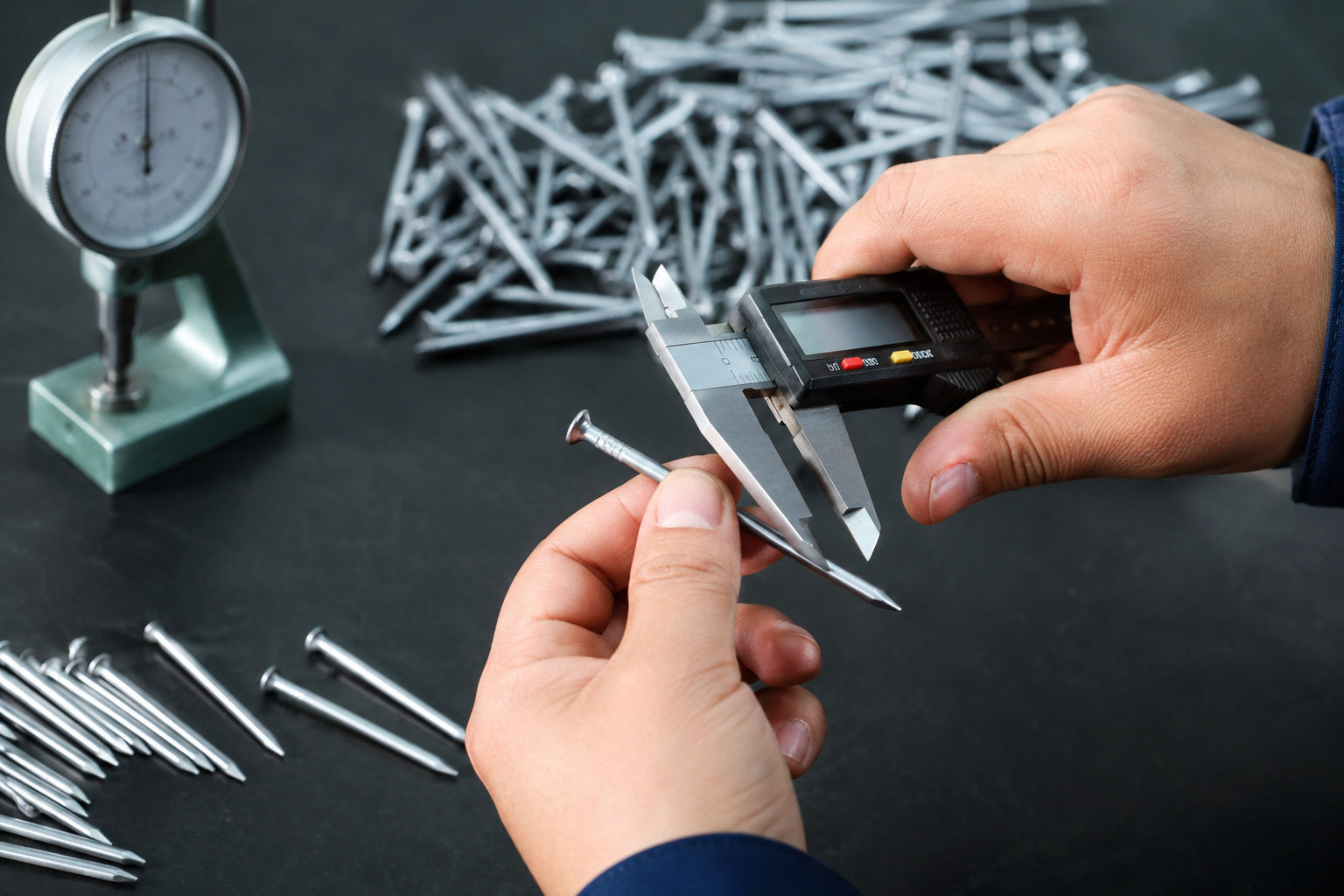
Proper quality inspection requires understanding nail specifications and testing methods. Here is my systematic approach:
Dimensional inspection checklist:
- Length measurement with calipers
- Shank diameter verification
- Head diameter and thickness
- Point angle and sharpness
- Overall straightness assessment
Material quality testing:
- Tensile strength testing
- Hardness measurement
- Chemical composition analysis
- Coating thickness verification (galvanized nails)
- Corrosion resistance testing
Surface finish evaluation:
- Visual appearance inspection
- Coating uniformity assessment
- Surface roughness measurement
- Defect identification and classification
- Packaging condition review
Testing equipment needed:
- Digital calipers for dimensional measurement
- Tensile testing machine for strength verification
- Hardness tester for material properties
- Coating thickness gauge for galvanized products
- Salt spray chamber for corrosion testing
The inspection should cover representative samples from different production batches. I typically request 100-200 pieces for comprehensive testing, including destructive tests that cannot be performed on the entire shipment.
Documentation of all test results provides baseline standards for mass production quality control and helps identify any deviations during manufacturing.
Conclusion
Verifying reliable Chinese nail manufacturers requires systematic evaluation of credentials, capacity, quality systems, and financial stability before making commitments.